MSTF Signs MoU with SAMPAD to Open New Horizons for the Noor Student Competition
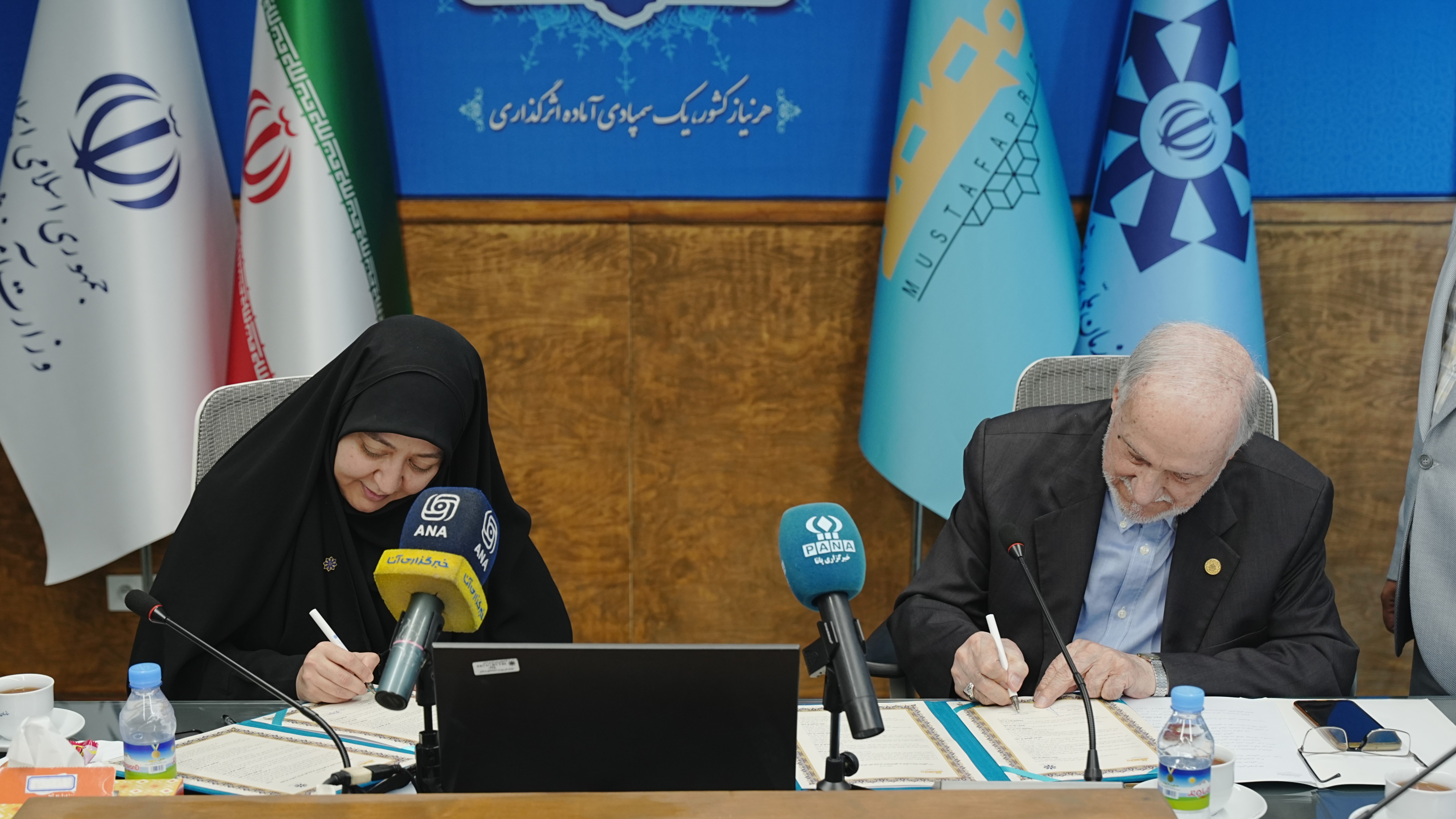
The Mustafa(pbuh) Science and Technology Foundation and the National Organization for Development of Exceptional Talents (SAMPAD) have signed a Memorandum of Understanding to cooperate in organizing the Noor Student Competitions.
MSTF Media reports:
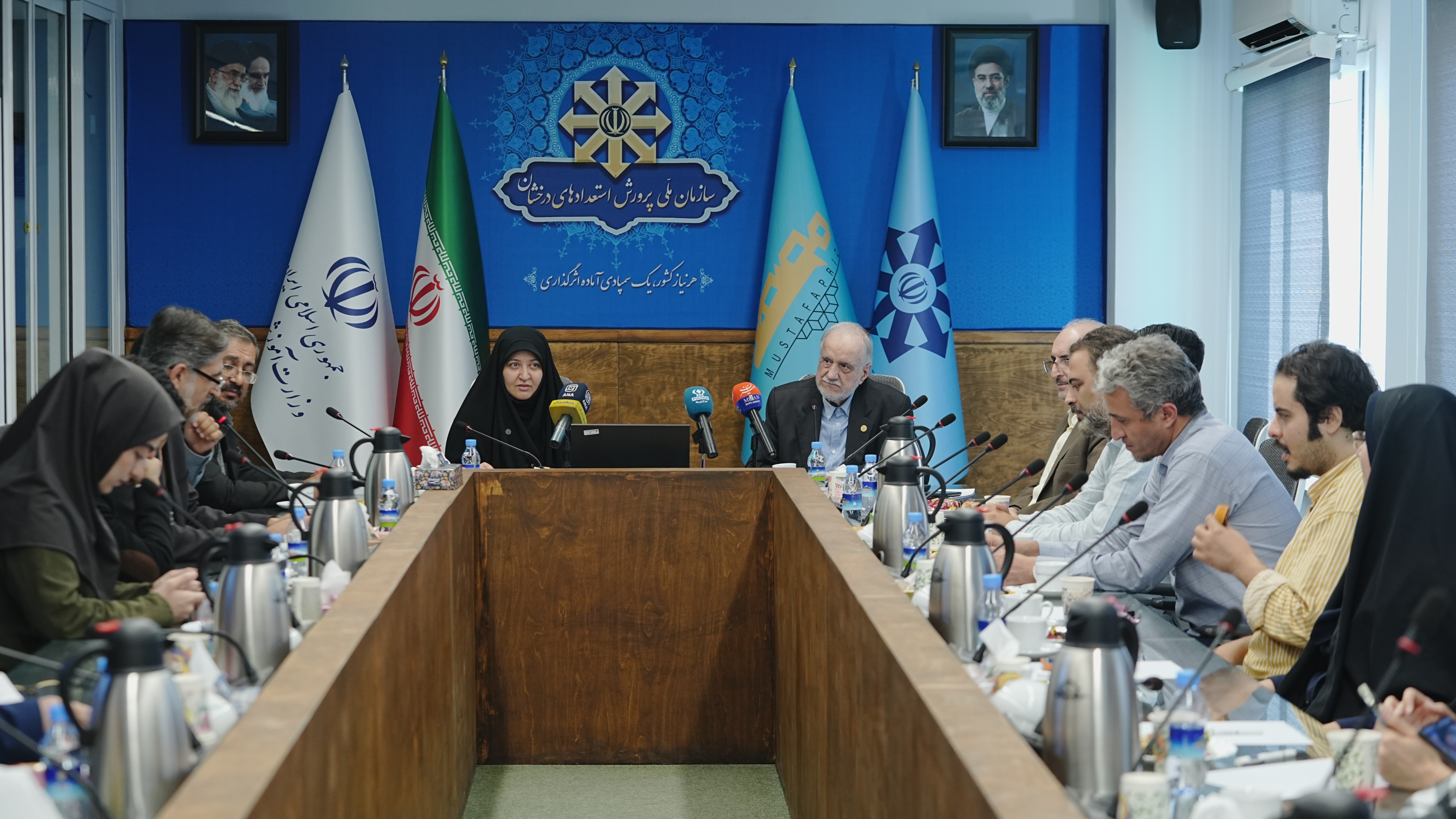
The MoU was signed in the presence of Saeed Sohrabpour, a member of the Board of Directors of the Mustafa(pbuh) Science and Technology Foundation and an advisor to the President of Iran’s National Elites Foundation; Elham Yavari, President of SAMPAD; Omid Naghshineh, SAMPAD’s Deputy Head of Talent Identification; and Mohammad Hossein Mirhashemi, Director of Communication and Outreach at the Mustafa(pbuh) Science and Technology Foundation.
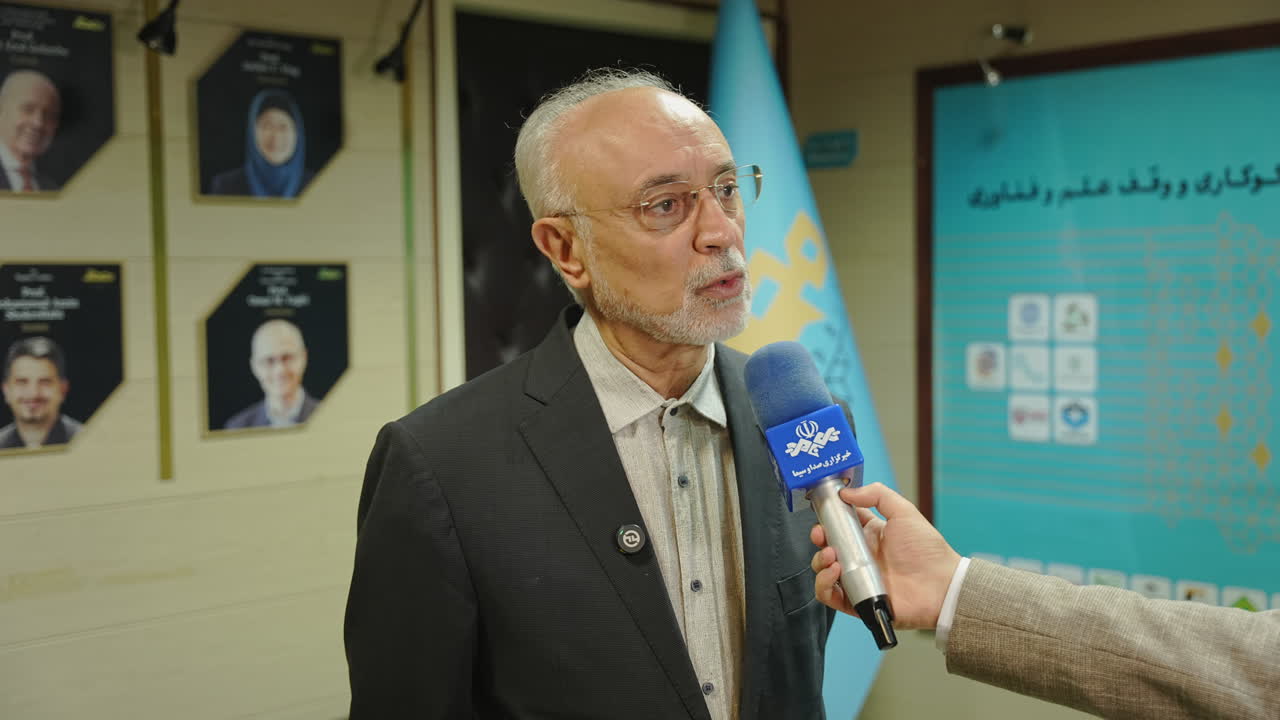
Sohrabpour referred to the history of the Noor Student Competitions, emphasizing that the primary goal of this event is to encourage students to engage in scientific and creative activities while providing a platform for identifying and nurturing top talents.
Highlighting the importance of supporting and encouraging the younger generation, Sohrabpour said, “This competition can serve as a platform for identifying talented students and helping them develop their potential and capabilities.”
Sohrabpour expressed hope that the cooperation between MSTF and SAMPAD would encourage capable students to pursue scientific fields, help identify emerging talent, and provide opportunities for their growth and development.
Continuing, Dr. Yavari, president of the National Organization for Development of Exceptional Talents, highlighted the necessity of developing a range of skills in students. “Helping students reach their full academic and personal potential is one of the main responsibilities of educational institutions. Our goal is to equip them with the skills to make informed decisions and approach challenges pragmatically in later stages of life.”
“We are pleased that various institutions in the country have been paying attention to this issue and supporting student talents,” Yavari maintained. “The Mustafa(pbuh) Science and Technology Foundation is among the organizations that have taken steps in this direction by holding the Noor Student Competition.”
The SAMPAD President further added that the memorandum of understanding between this organization and the Mustafa(pbuh) Foundation is a positive and effective step towards supporting talented students. She expressed hope that this cooperation could help lay the foundation for educating a capable and influential generation.
Omid Nakhsineh, Deputy Head of Talent Identification at the National Organization for Development of Exceptional Talents, also elaborated on SAMPAD's new approach. “Our organization’s newly set mission is not limited to students attending SAMPAD schools, as many exceptionally talented students study in other schools. We must also devise plans to identify and support these students.”
“The Talent Identification Office was established to leverage the capacities of schools, students, teachers, and other related institutions to identify and help talented students who, for any reason, have not enrolled in SAMPAD schools.”
Naqshineh described the Noor Student Competition as a great approach for realizing this goal. He pointed out that the competition can, on the one hand, use the capacity of schools and, on the other hand, involve all the students in the country, not being limited to SAMPAD students. This cooperation with the Mustafa(pbuh) Foundation, he believes, can help promote the Noor Student Competition, improve its quality, and identify student talents on a wider scale.
Naghshineh also pointed out the broader capacities for cooperation between the two organizations, with the newly signed MoU marking the beginning of cooperation to come in identifying and developing student talents.
Mohammad Hossein Mirhashemi, Director of Communication and Outreach at the Mustafa(pbuh) Science and Technology Foundation, also referred to the philosophy behind the formation of the Noor Student Competition. "Many of the world's prestigious scientific awards, in addition to their accreditation process, also have a scientific and outreach component, aimed at inspiring teenagers and young people and leading them in the path of science and technology,” Mirhashemi stated. “The Mustafa(pbuh) Science and Technology Foundation launched the Noor Student Competition in 2015 in line with this approach.”
The goal of this competition, according to Mirhashemi, is to strengthen a scientific outlook among students, encourage them to address scientific topics and collaborate in groups, and identify brilliant talents.
“In the past rounds of the competition, students have presented scientific concepts in the form of short videos using the simplest tools and in environments such as home, school, and nature,” he added.
In the first edition of this competition, which was held in 2015 in honor of Ibn al-Haytham, the prominent mathematician and astronomer, the theme of the competition was light and its applications. The second edition, held in honor of Professor Jackie Ying, a laureate of the first Mustafa(pbuh) Prize, focused on a number of fields including physics, biology, chemistry, and astronomy. The third edition, dedicated to honoring Ibn Razzaz al-Jazari, was on the topic of mechanical processes. The fourth edition honored Professor Omar Yaghi, a 2015 Mustafa(pbuh) Prize laureate and winner of the Nobel Prize in 2025, by addressing the topic of matter and energy.
The fifth round of the competition commemorated Abu Rayhan Biruni with two topics: the general topic being vision and visual errors, and the special topic being building realistic models for mathematical concepts. In the sixth edition, the environment was chosen as the topic, in honor of Professor Muhammad Iqbal Choudhary, one of the laureates of the Mustafa(pbuh) Prize.
Mirhashemi expressed hope that the cooperation between the Mustafa(pbuh) Science and Technology Foundation and SAMPAD will open new horizons for the Noor Student Competition. “SAMPAD's valuable experience in working with students can help the growth of this event and create brighter prospects for the future of the competition.”
Noor Student Competition: A Platform for Discovering Scientific Talents
The Noor Student Competition is an annual event organized by the Mustafa(PBUH) Science and Technology Foundation. It aims to inspire younger generations, open new horizons in science and technology, and nurture outstanding talent.
The competition involves teams of two students producing 60-second scientific videos, with each round being dedicated to one of the great scientists of the Islamic world. Students from first to twelfth grade can create their own scientific video on the assigned topic and submit it to the competition secretariat.
In total, more than 13,000 works from more than 30,000 students have been sent to the secretariat of this event. The sixth edition is being held on the topic of the environment in collaboration with the Iranian Department of Environment.
In the sixth round, following an evaluation of the submitted works, participants whose entries met the required standards advanced to the online phase. Held over seven sessions, this phase focused on social responsibility and problem-solving from a scientific perspective. In each session, students completed assignments and earned points as they competed for a place in the final stage.
In the third stage, 40 of the winners of the online course who have earned the highest scores will be invited to a three-day in-person science camp at Tehran’s Book Garden’s Science Park. The program involves solving real problems, strengthening teamwork, and teaching students to work with tools such as 3D printers.
The recent memorandum of understanding between the Mustafa(pbuh) Science and Technology Foundation and the National Organization for Development of Exceptional Talents is a new step towards linking the foundation's scientific and outreach capacities with the country's vast student network. It is a collaboration that can broaden the scope of identifying young talents and pave the way for discovering, supporting, and nurturing the future generation of scientists from the early years of education.