Where Engineering Meets Medicine: Abdolahad’s Journey into Innovative Cancer Diagnosis and Therapy
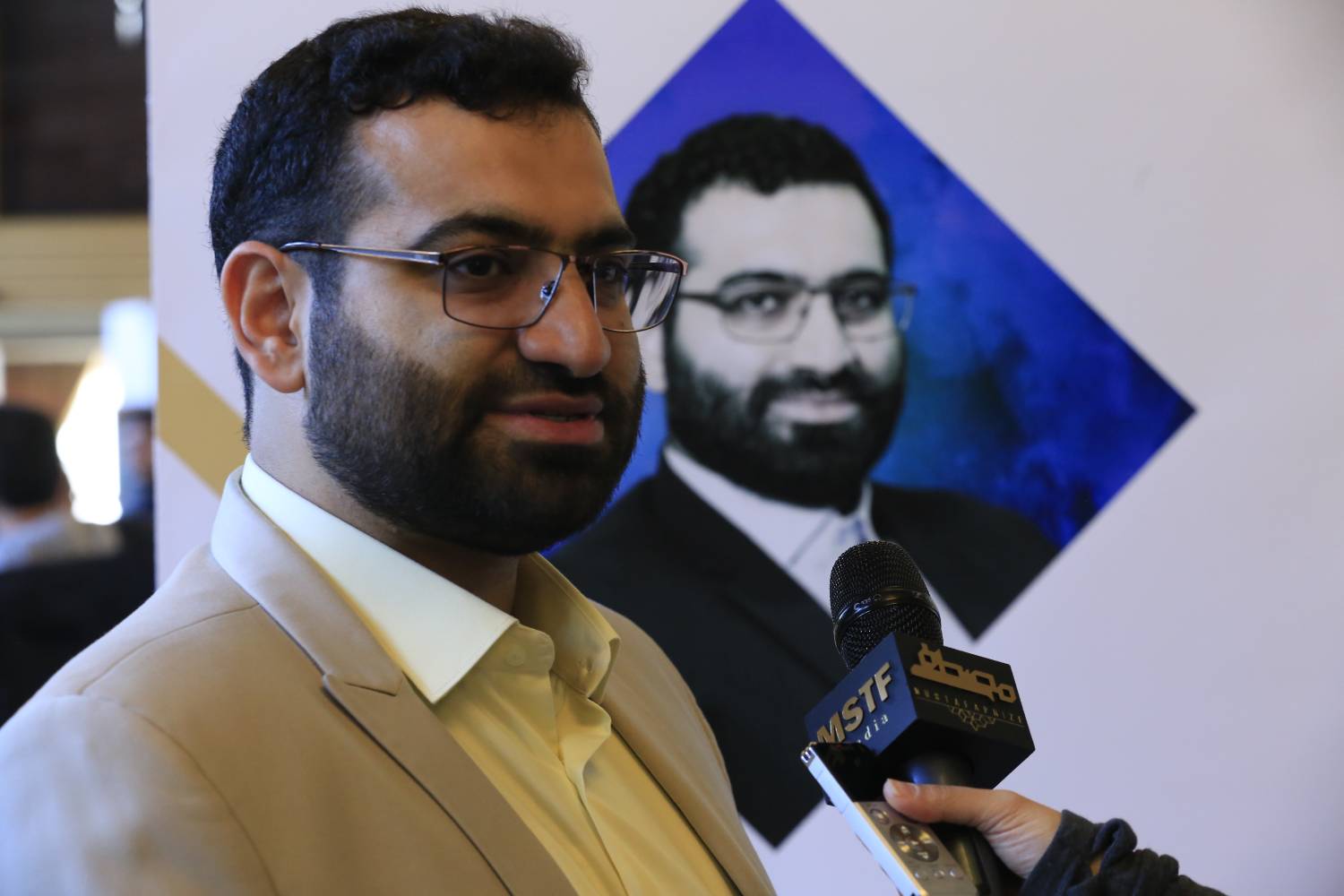
Mohammad Abdolahad, a leading figure in cancer diagnosis and a laureate of the 3rd Mustafa(pbuh)Prize, reflects on his unconventional scientific journey and shares insights into his pioneering approaches to cancer diagnosis and treatment.
MSTF Media reports:
He is the youngest person ever to have received the Mustafa(pbuh) Prize. He had already received advanced degrees in electrical engineering when a pivotal conversation with one of his professors became a turning point in his career, a moment that redirected his scientific path toward medicine and cancer treatment.
Once he entered this field, Abdolahad advanced at a remarkable pace. Today, he is recognized as one of the leading figures in medical science and biotechnology in Iran, with several registered inventions in the United States and several other countries.
In 2019, he was awarded the Mustafa(pbuh) Prize, one of the most prestigious scientific honors in the Islamic world. He won the Prize in Nano Electronic Science and Technology for “Translating the Behavior of Healthy and Cancerous Cells into the Electronic Field, a novel method in cancer diagnosis.
He is currently a professor at the University of Tehran and Tehran University of Medical Sciences and the head of the Cancer Institute at Imam Khomeini Hospital in Tehran. Above all, he represents a generation of scientists who, despite international recognition, remain deeply committed to advancing science and healthcare in their home country.
In the following, you will read the first part of our interview with Professor Abdolahad.
Professor Abdolahad, first of all, what factors led you to switch from engineering to medicine and cancer diagnosis?
Well, there were no certain factors to begin with. I was not specifically interested in studying medicine. Had I been interested in that field, I would’ve chosen it as my field of study right at the beginning. The reason why I turned to medicine was my PhD advisor asking me to study soft electronic materials—an idea first worked upon at Virginia University. The mechanical behavior of cancer cells in structures that we build using electronic device fabrication processes.
Working on this gave me multiple other interesting ideas. I delved further into the area and familiarized myself with biochemistry and pharmacology, areas that engineering students are not taught. You know, engineering students enter the world of reasoning, mechanism, and cause and effect in their second year, while medical students start dealing with probabilities and evidence. In medicine, you engage in biochemical and pharmacological paths.
As a person who has gotten into the depths of both fields, I find both beautiful, but the fact is that you can’t proceed in the world of medicine with your engineering knowledge alone and vice versa. What you can do is to find the connection between. It is only when you find the connections that you achieve success.
Maybe I should mention that in the area of medical technologies, the financial aspect is really important. Big companies do not easily overlook a game-changing technology. For instance, if a company introduces a technology that would render the competing companies’ technology obsolete, it takes a very long time for this to be realized in the medical field.
This is not the case in engineering. You can build a better machine or cell phone and it will quickly replace the old ones. In the case of medicine, when medical procedures change—often technology-based changes—other than the developers of the technology doctors who use the technology need to be trained and adapt themselves to the changes.
Imagine we are suddenly mandated not to use the X-ray anymore because we have MRI or PET Scan now. Or from now on, we should use cauter or surgical robots instead of scalpels. It is a great challenge to get people oriented to changes. Not to mention the conflict of interest that arises as a result.
Today, some cancer technologies available in Europe or Japan do not yet exist in the U.S. Clinical guidelines also vary from country to country: the U.S. follows NCCN, the U.K. has NICE, Europe relies on ESMO, and Japan and other countries have their own frameworks. Many of these differences reflect variations in technology, including the methods and drugs employed in treatment.
The process you talked about seems complicated and time-consuming. What challenges were there in the way, and what opportunities were presented to you?
A PhD graduate in Electronics who wants to start studying medicine faces pressure from several directions. First, there are your friends who ask, “What are you doing?” They were right to question why I, a successful electronics graduate, would want to change my path and study a field whose basics are so different from what I have studied. Then, there is the medical community that has its doubts as to why they should accept the ideas of an engineer.
To overcome these suspicions, you have to synchronize your existing knowledge with the one you want to adopt. It took me three years to gain the knowledge that I needed in medicine and start working in my desired area. In my case, I work on cancer. Others may want to pursue optics or neurology. In any case, one needs to specialize clinically in the field of study. Some subjects they need to intimately study, while others require a rather perfunctory overview. This is because many of them may not be needed later, so you do not need to spend a lot of time on those subjects.
After you gain the required knowledge, you put your ideas into practice and devise a method. Now you have to speak to the medical community in their own terms and claim, in their language, that what they have achieved so far has some shortcomings. Making such claims is not easy, even if you are working at the heart of medicine.
What inspired you to keep going under such demanding conditions?
Well, financially speaking, my family is well off, so money was not my first priority. Nonetheless, this area of research is well-received; you can get research grants and also after you make your product, people want to invest in it.
However, the satisfaction of saving human lives is not comparable to any other achievement. What makes it more special is that lives are saved because of the contribution you have made. For the first few years, you have to teach it to others, promote it, get comments and modify it. All eyes are on you. Your hard work may pay off or it may not. You have to be courageous enough to accept your mistakes and try to improve.
There are always some people who, out of ignorance, get in your way. You have to be patient when dealing with these and persevere in the community in which you’ve been accepted. To do so, you have to have new ideas. In the past seven years, I have built over ten machines, two or three of which are quite well-known. Others are very specialized. At some point I learned that the less I publicize my work, the more comfortable I am. I do few interviews and rarely accept a TV show invitation.
So far, we have treated more than 1,600 patients by ECT alone. I am often told to run a social media channel but I refuse to do so because we conduct our specialized research and experts in this area will use our knowledge and effectively communicate with people. Therefore, we need to deliver knowledge to doctors and specialists and then they will transfer that knowledge to people.
However, communicating with people is hard. Those who contact us are often patients who come to us as a last resort. We must take these people in, carry out research on them and move forward with the diagnostic process. Seeing what patients grapple with gives you motivation and makes you feel you are useful. Clinical medicine is the most important area in which you feel useful. You don’t get such valuable satisfaction from anything else or any material award you receive.
Let’s get more technical and talk about your expertise, cancer. What is your approach to treating cancer?
Effective cancer treatment requires adherence to specific principles and a structured framework, bypassing which could lead to failure in treatment or harm to the patient. Accordingly, all therapeutic measures or newly developed technologies in this area must be assessed based on precise bioindicators. Not abiding by these principles renders the whole therapeutic approach inaccurate.
For example, inducing any state of hypoxia (oxygen deficiency) in the tumor microenvironment is considered a serious error. Likewise, protocols that activate “heat shock proteins” in the human body represent a clear therapeutic misstep.
Cell metabolism is one of the most critical indicators. Any intervention that facilitates glycolysis in cancer cells and allows them to consume excessive amounts of sugar violates valid therapeutic principles. New technologies and medical devices must be designed in order to prevent such errors.
Lymph nodes are a vital part of the body’s immune system, and manipulating or removing them without careful consideration and planning comes with significant risks. Removing nodes and tumors with no regard for microscopic consequences may cause the release of residual cells along the pathway and their subsequent spread throughout the body.
In immunotherapy, balance is important; both miscalculation and over-activation of the immune system, and its excessive suppression are seen as risky and incorrect approaches.
Electronics: A Medium for Translating Biological Behaviors
The role of electronics in this context is to “translate” biological concepts into the language of engineering. Phenomena such as hypothermia, hyperthermia, hypoxia, and glycolysis can all be expressed in terms of electronic parameters. This translation operates across different frequency ranges (both low and high) and at multiple scales, from subcellular organelles to cells, tissues, and organs. Just as biochemistry and mechanics have their own language for describing these phenomena, electronics has its own precise language and instruments for monitoring and controlling them.
Technological Advances: From CDP to Therapeutic Support Systems
Building on these principles, Abdolahad has achieved significant milestones in medical device development. The Cancer Diagnosis Probe (CDP), with its successful performance in clinical trials, marked the starting point of this path. Two years later, the Impedimetric Tumor Detection System (ITDS) was introduced. As a complementary diagnostic tool in ultrasound, it delivered outstanding results and was published in leading international scientific journals.
Abdolahad’s contribution did not stop there. He went on to develop Tunable Systems and devices related to the digestive system. Currently, his focus is on advancing sophisticated therapeutic systems, all grounded in the fundamental principles that guided his earlier work.
The introduction of the novel “electrostatic therapy” on a global scale marks a major milestone, the result of more than five years of dedicated research and perseverance by Iranian researchers. Through numerous publications and the continuous refinement of hypotheses, this approach was gradually formulated and presented to the scientific community. These studies are grounded in the belief that a significant portion of cancer-related pain arises from the secretion of specific enzymes which, if controlled, can lead to a substantial decrease in patient suffering.
The emergence of innovative therapeutic approaches has challenged traditional perspectives on conditions and diseases which are hard to treat. According to this shift in outlook, when confronting advanced cancers, one should not immediately resort solely to palliative care. Surgical methods and advanced therapeutic interventions, even if they do significantly increase life expectancy, can greatly enhance patients’ quality of life and overall wellbeing. Such outcomes have reinforced the credibility of these new approaches within international scientific circles.
In medical ethics, mere adherence to existing guidelines and avoidance of risk is not sufficient. True ethics lies in the researcher’s courage to act on scientific findings that can benefit humanity, taking full responsibility, and accepting critiques and challenges along the way. Remaining in the comfort zone as a passive observer of others’ achievements is at odds with the spirit of scientific progress.
Transitioning from the position of “spectator” to that of an “actor” in the global health arena requires both courage and knowledge. This proactive stance, despite external pressures and sanctions, has been welcomed by international scientific communities and signifies the remarkable capacity of Iranian researchers to play a meaningful role on the world stage.
The success of large-scale scientific projects would not be possible without the presence of a specialized, multidisciplinary team. Close collaboration among distinguished clinical professors, intelligent students in basic science, engineering experts, and epidemiologists forms the foundation for progress. In such a setting, critiques lacking scientific substance carry little weight as there is a significant gap between those actively engaged in the science and ignorant critics.
The distinctive feature of genuine scientific endeavors is that they do not stop at the production of knowledge (publishing articles and registering patents). The process extends to its final stage—establishing healthcare services tariffs within the Ministry of Health and formulating standardized treatment protocols for physicians. Continuous updating of these protocols and corrections when necessary are among the requirements of this process.
Establishing a new therapeutic method in the healthcare system goes beyond engineering therapeutic equipment. The biggest challenge is managing the treatment process of patients in critical conditions. The process includes the patient’s pre-op and post-op care, and controlling side effects and complications with other therapeutic interventions. To succeed in this regard, the efficiency of new approaches must be proven and traditional or non-scientific claims must be overcome.
From Publications in Nature to Practical Application Challenges
Although publishing articles in prestigious journals such as Nature and registering patents demonstrates a high level of scientific achievement, it does not necessarily mean that the technology is practical for the general public. The experience of developing the 'Metas-Chip,' which, despite scientific acclaim, was not suitable for widespread use due to its high production costs, was a major lesson in Abdolahad’s research journey. This experience revealed that the true art of technological development lies in creating a product which, despite its advanced technology, has a reasonable cost of production and remains accessible to the public.
Cost Reduction as the Strategic Lever for Advancing Local Technologies
Accordingly, cost reduction became a priority in the development of medical devices. This strategy has been successfully implemented in equipment such as the Cancer Detection Probe, electrochemotherapy systems, and the Impedimetric Tumor Detection System. As a result, the production cost of these devices is highly affordable and competitive, both compared to foreign alternatives and considering their unique capabilities.
Commitment to Public Service and Scientific Accountability
A commitment to serve the public has remained central at every stage, from trials to clinical procedures. This commitment involves minimizing experimental errors, controlling treatment costs for patients, and delivering work of the highest possible quality. Moreover, genuine scientific work in healthcare always comes with openness to scientific criticism and acceptance of shortcomings.
Professor, given your academic background, I would like to know how nanoelectronics is related to medicine and disease diagnosis. Could you please explain this in simple terms?
In advanced engineering and medical research what matters goes beyond subjects related to nanoelectronics or general medicine alone. Advanced research is based on a comprehensive approach called Bench-to-Bedside. This approach involves analyzing a wide range of activities in an ecosystem: From fundamental molecular, protein, and DNA research to cell research, animal phase and ultimately clinical application and health economics. The ultimate purpose of this chain is to transform a scientific and clinical process into a tangible and practical service.
In parallel with biological research, engineering processes also begin with Material Science, which involves complex stages, including manufacturing components, integrating them into a system, troubleshooting, precise design, standardization, and ultimately transforming a laboratory system into a final commercially viable product.
Also, nanotechnology acts as both an accelerator and an enhancer. Its key roles are improving the quality and speed of signal detection, enhancing interactions between electronic tools and biological structures, and optimizing signal transmission for therapeutic purposes.
Global Achievements in Electrochemotherapy
Recent research in the field of electrochemotherapy has led to two unique global achievements. The first is the demonstration that electrostatic behaviors alone can induce “electroporation” and increase the effectiveness of electrochemotherapy. This unprecedented finding was published in NanOlogy.
The second achievement is the development of electronano-structures that, by leveraging an effect known as Rad-Life-In, enable electroporation at much lower voltages. This technique significantly improves treatment quality while reducing the side effects associated with high voltages. These successes were possible because of a holistic perspective and a deep understanding of the interactions among the system’s components.
To succeed in leading interdisciplinary projects, an intricate mixture of specialties is required. One can’t expect physicians to use a piece of equipment which was built based on a purely engineering perspective. Neither can operating room equipment be commissioned without an understanding of engineering principles. Guiding such a path requires that the leader maintain a comprehensive grasp of all the fields involved.
Such an individual must be an acute pathologist, possess an oncologist’s understanding of cancer, and master surgical principles like a surgeon. The ability to analyze MRI images and familiarity with post-operative infection-control protocols are indispensable in this field. Clinical realities in healthcare often differ fundamentally from theoretical assumptions, and biological systems do not necessarily follow the linear logic of engineering (such as two plus two equals four). Therefore, active clinical presence and a thorough understanding of operating room and bedside challenges are the prerequisites for success in these technologies.
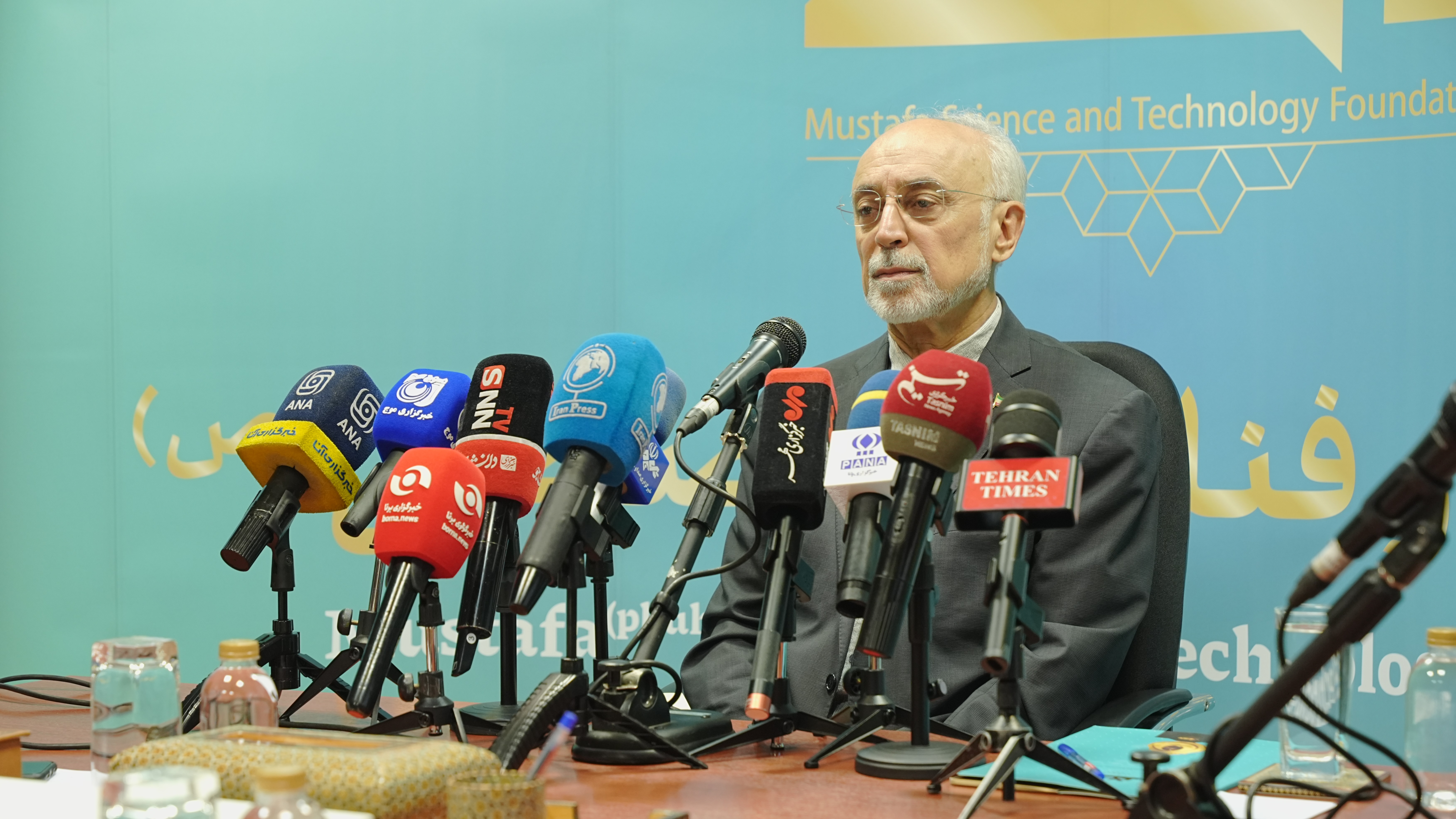
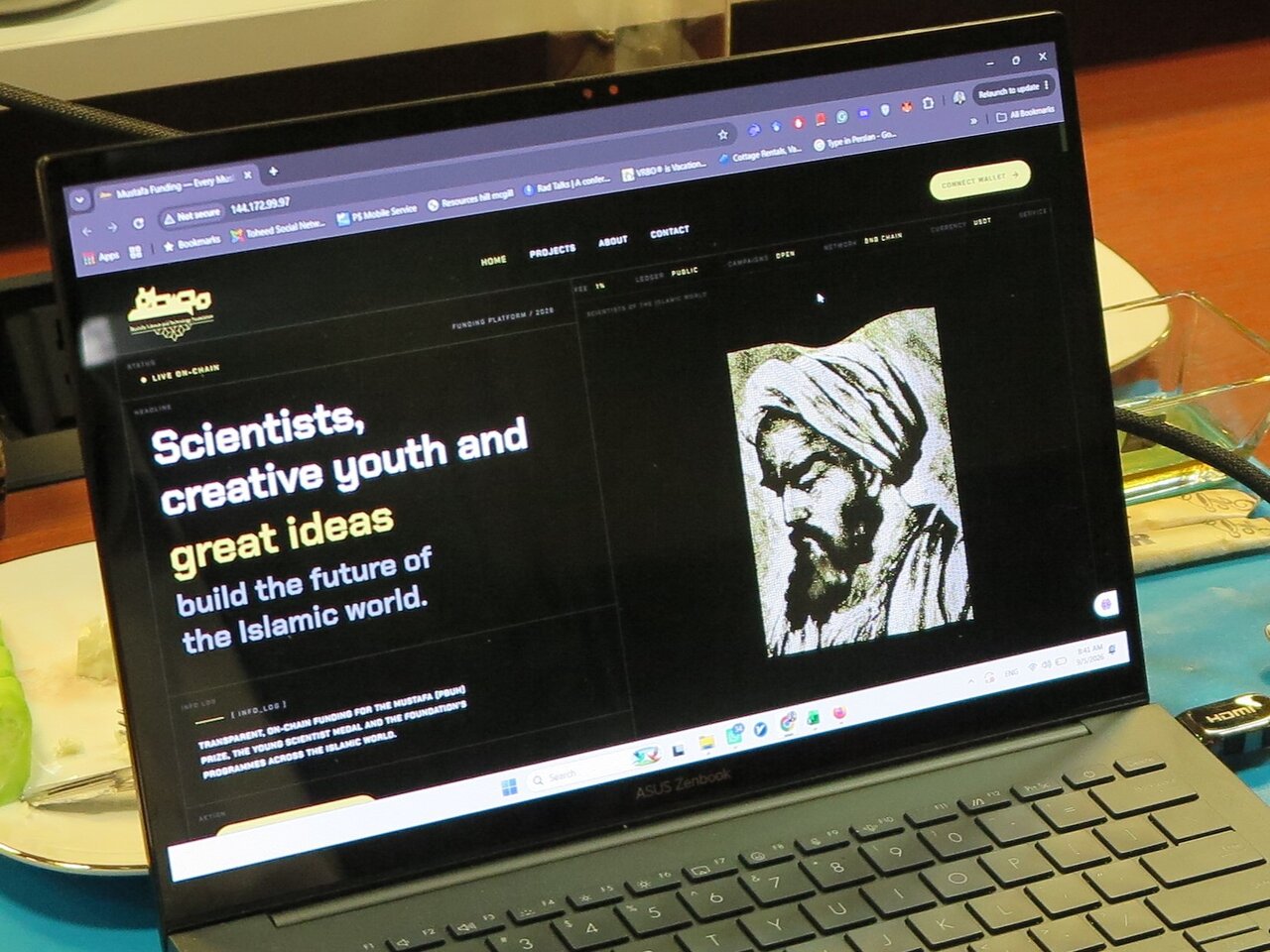
Mustafa Foundation launches blockchain platform for global scientific support
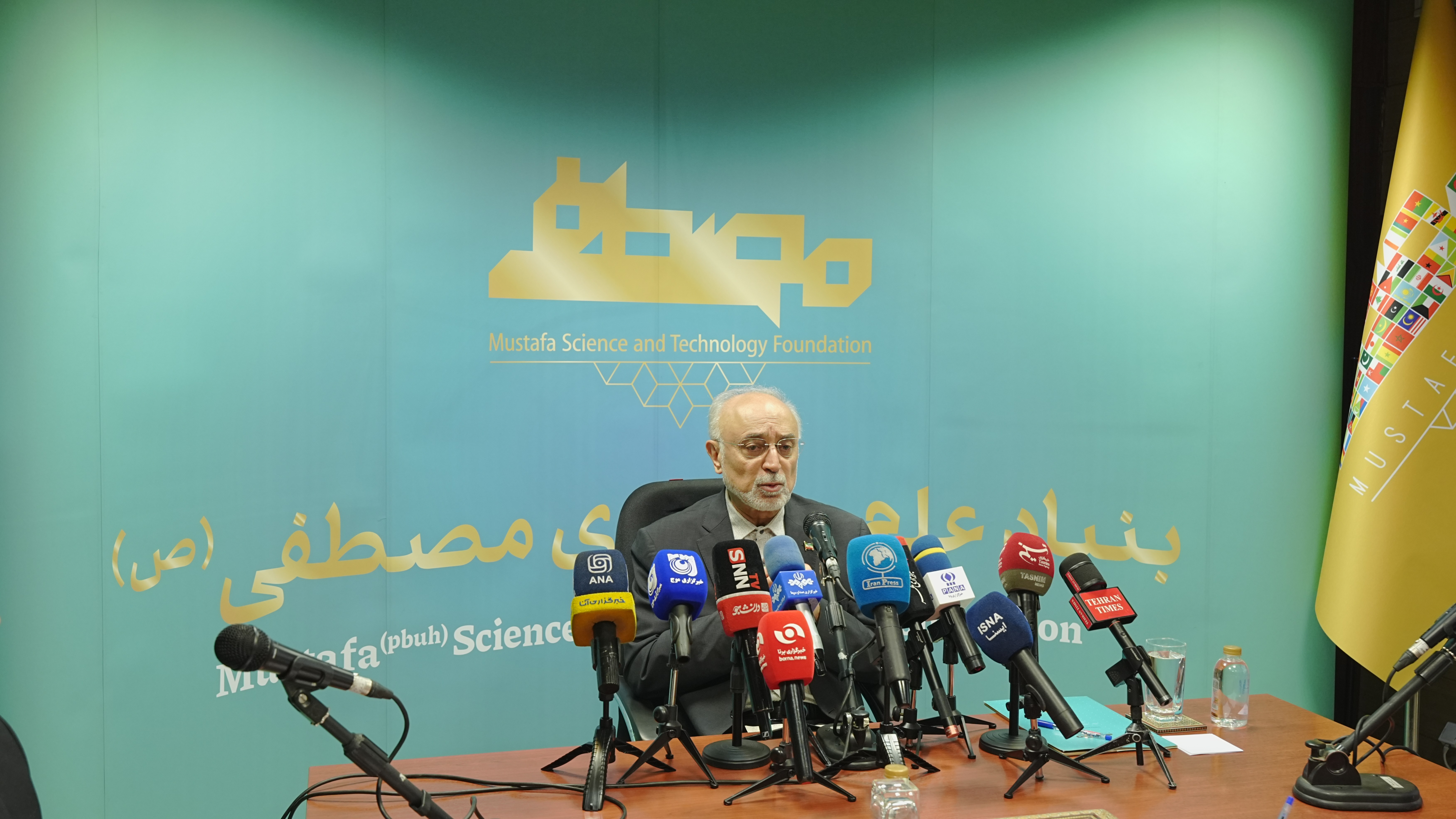
Iran Calls for Global Network of Science Patrons Alongside Scientists’ Network
STEP-AUT Office to Connect Scientists and Universities Across the Islamic World
‘The Messenger Within’: How mRNA Became a Pandemic Game-Changer