Can AR Boost Learning for Autistic Children? Pakistani Scholar Finds Out
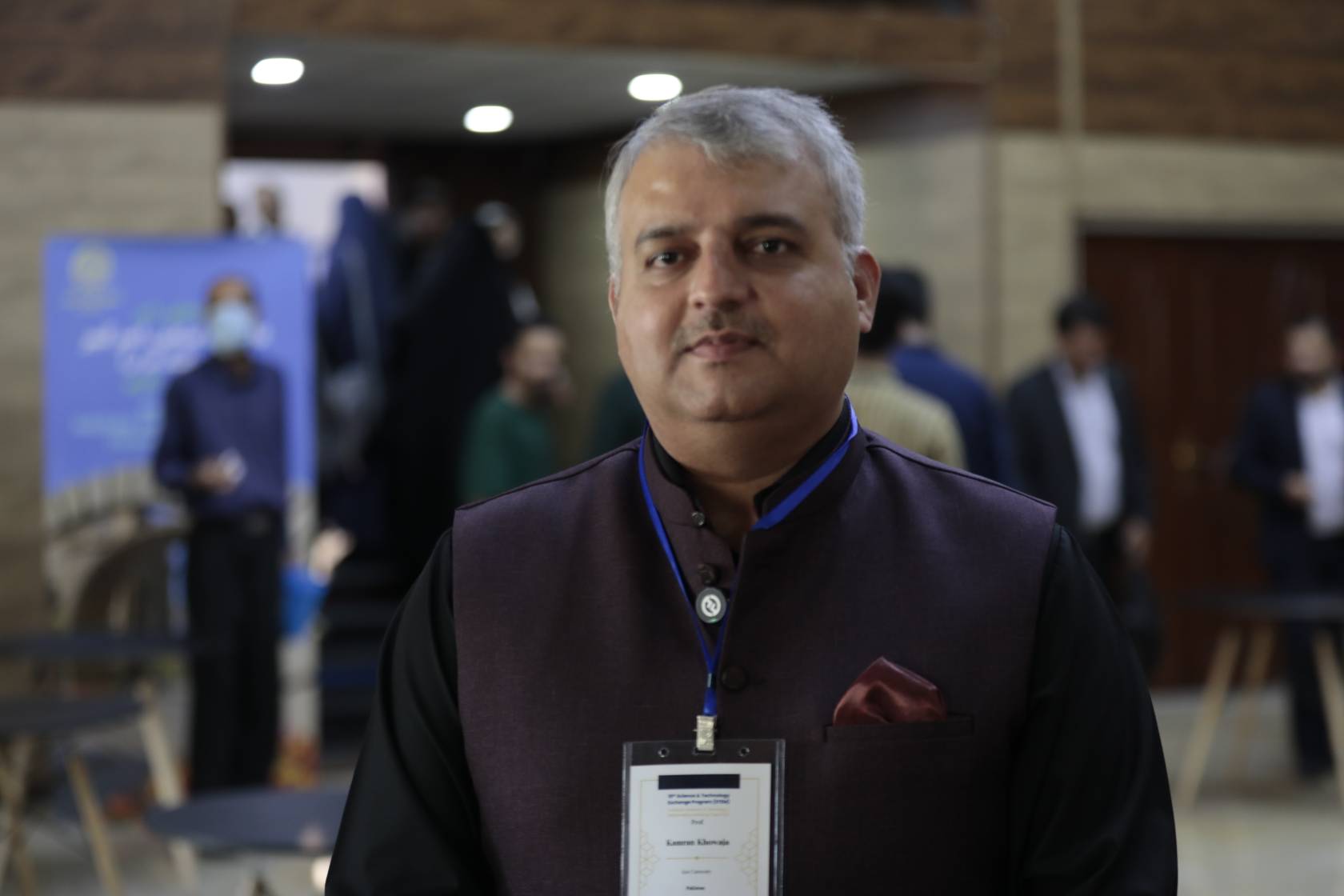
While the world debates the future of AI and immersive technology, one researcher from Pakistan is already applying these tools where they matter most: helping autistic children with learning.
MSTF Media reports:
Kamran Khowaja was among the distinguished scholars who attended the 10th Science and Technology Exchange Program (STEP) held during the 2025 Mustafa(pbuh) Prize Week earlier in September. A professor of Computer Science at Isra University in Hyderabad, Pakistan, Khowaja has built an extensive academic and research career spanning more than two decades.
His work is widely recognized for its significant contributions to intervention tools for autism spectrum disorder (ASD), technology-enhanced learning, and accessible computing.
In an interview, we asked him about one of his most impactful studies: his examination of how the use of augmented reality (AR) affects the learning of autistic children and young adults.
According to the World Health Organization, Autism, also referred to as autism spectrum, consists of a diverse group of conditions connected with the development of the brain. These conditions are characterized by varying degrees of difficulty with social interaction and communication. In 2021, about 1 in 127 people worldwide were reported to have autism.
The results of Khowaja’s studies have shown that AR benefits autistic children in learning skills. Nevertheless, given the wide variety of skills targeted in his studies, and the heterogeneity of the participants, it was not possible to come to a definitive conclusion regarding the effectiveness of AR for teaching or learning skills related to autism.
“We need to keep one thing in mind: children with autism are so different that one product may work for one child, but it may not work for another,” Khowaja stressed.
Khowaja and his team have introduced an application called Marvoc or the Mobile augmented reality app for children with autism spectrum disorder to learn vocabulary. The app was initially designed to support teaching staff at the centers based in Doha, Qatar, in providing an interactive learning environment to autistic children.
According to Khowaja, Marvoc consists of three different components, namely the parental component, the teacher component, and the child component.
“We have three different interfaces where everyone can actually interact with each other,” Khowaja elaborated. “So, the parent can track the progress of the child with their own account. They can also communicate with the teacher and vice versa,” Khowaja explained.
The team designed Marvoc so that autism centers could incorporate it into regular practice and assess its impact over time.
Khowaja noted that the results showed that children were able to learn the vocabulary through Marvoc. “More or less, we can say that this result can be actually generalized, but the number of participants was so low that we cannot ensure that this generalization is possible unless the number of participants increases,” he said.
One of the app’s key features is that it can be personalized by the teacher or the parent to suit the needs of each child. “They can personalize the content in terms of the number of words and the types of letters to be actually learned by the children,” he added.
Khowaja also announced that the Marvog application is now available for iPad.
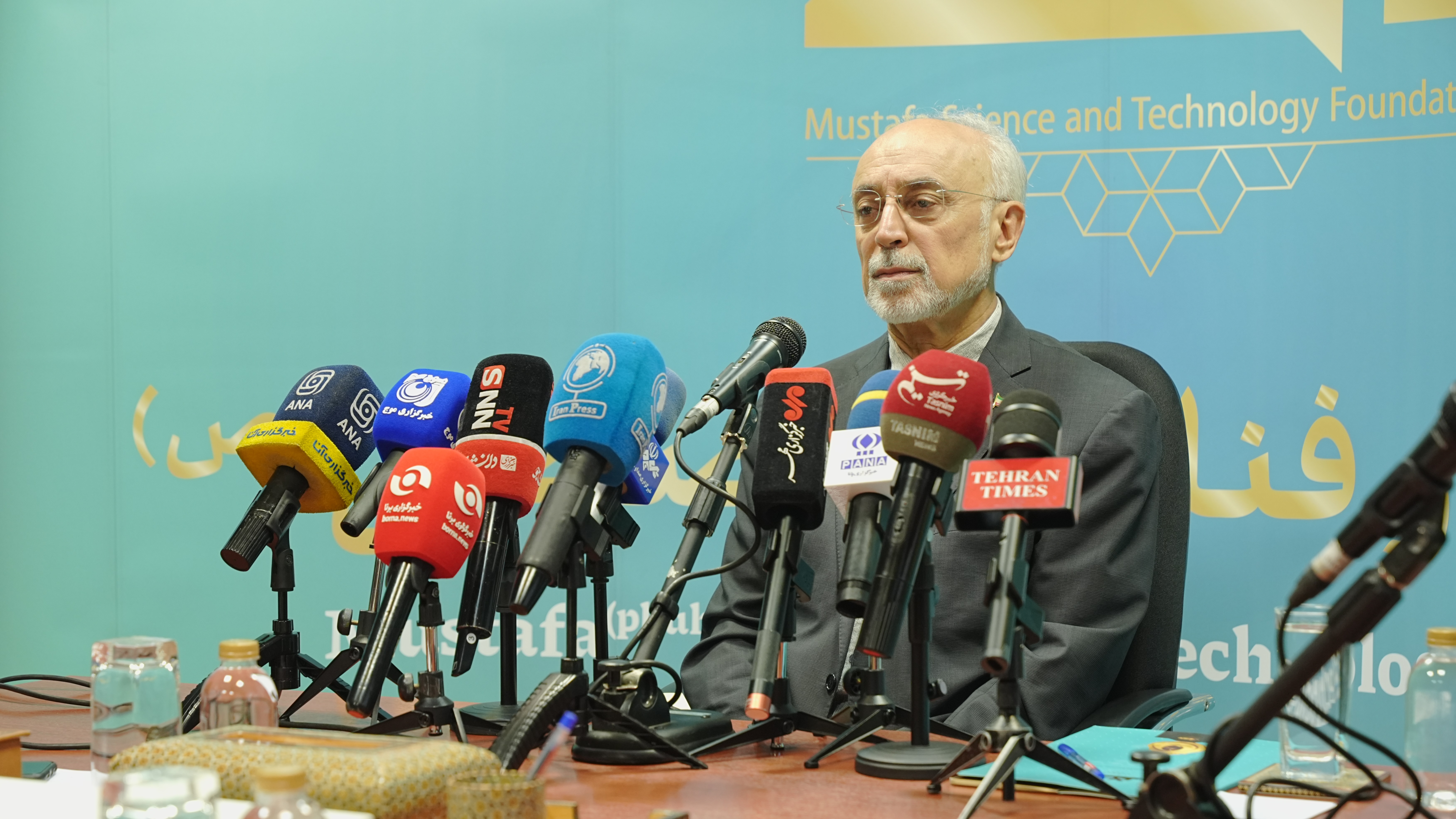
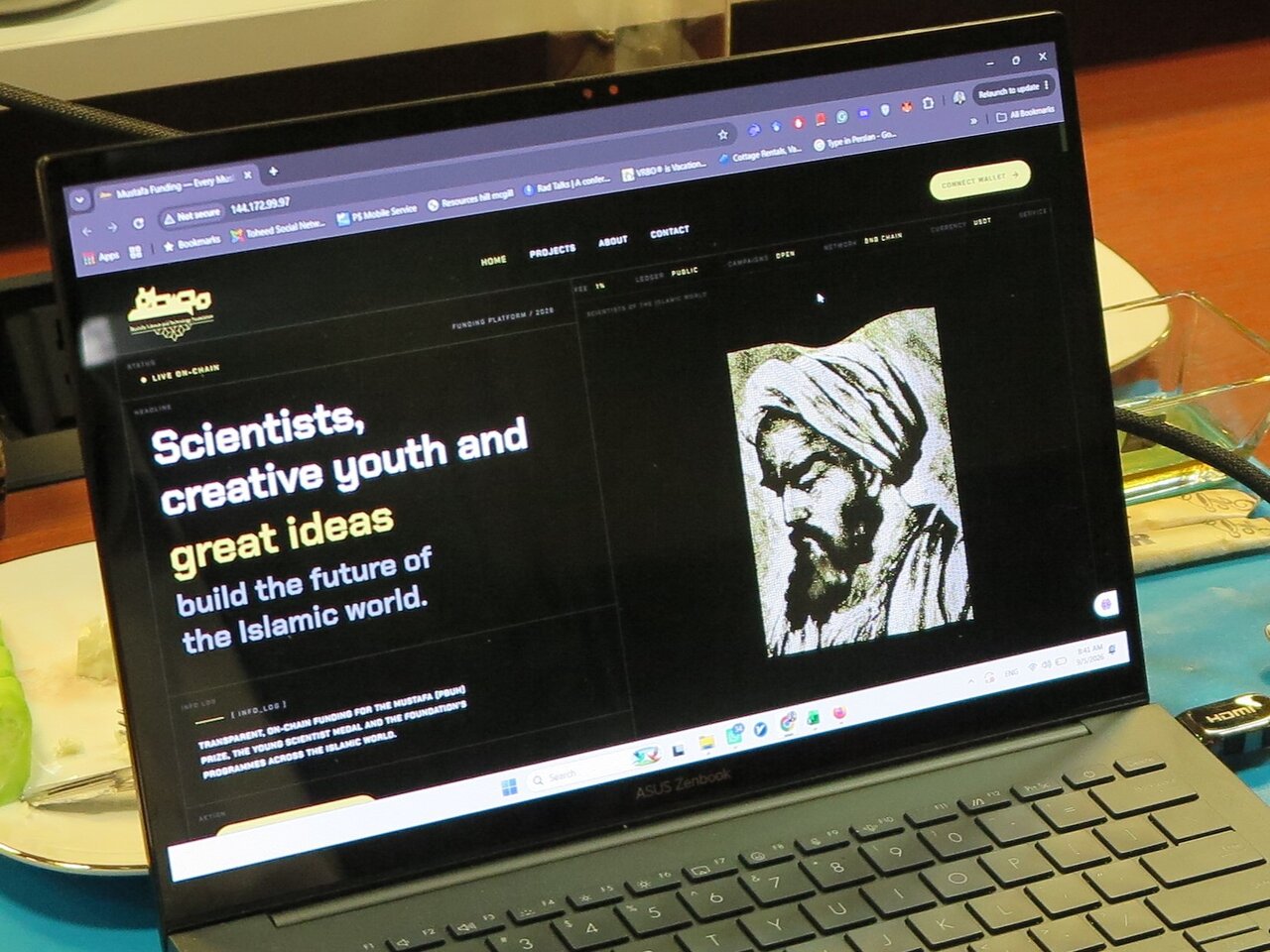
Mustafa Foundation launches blockchain platform for global scientific support
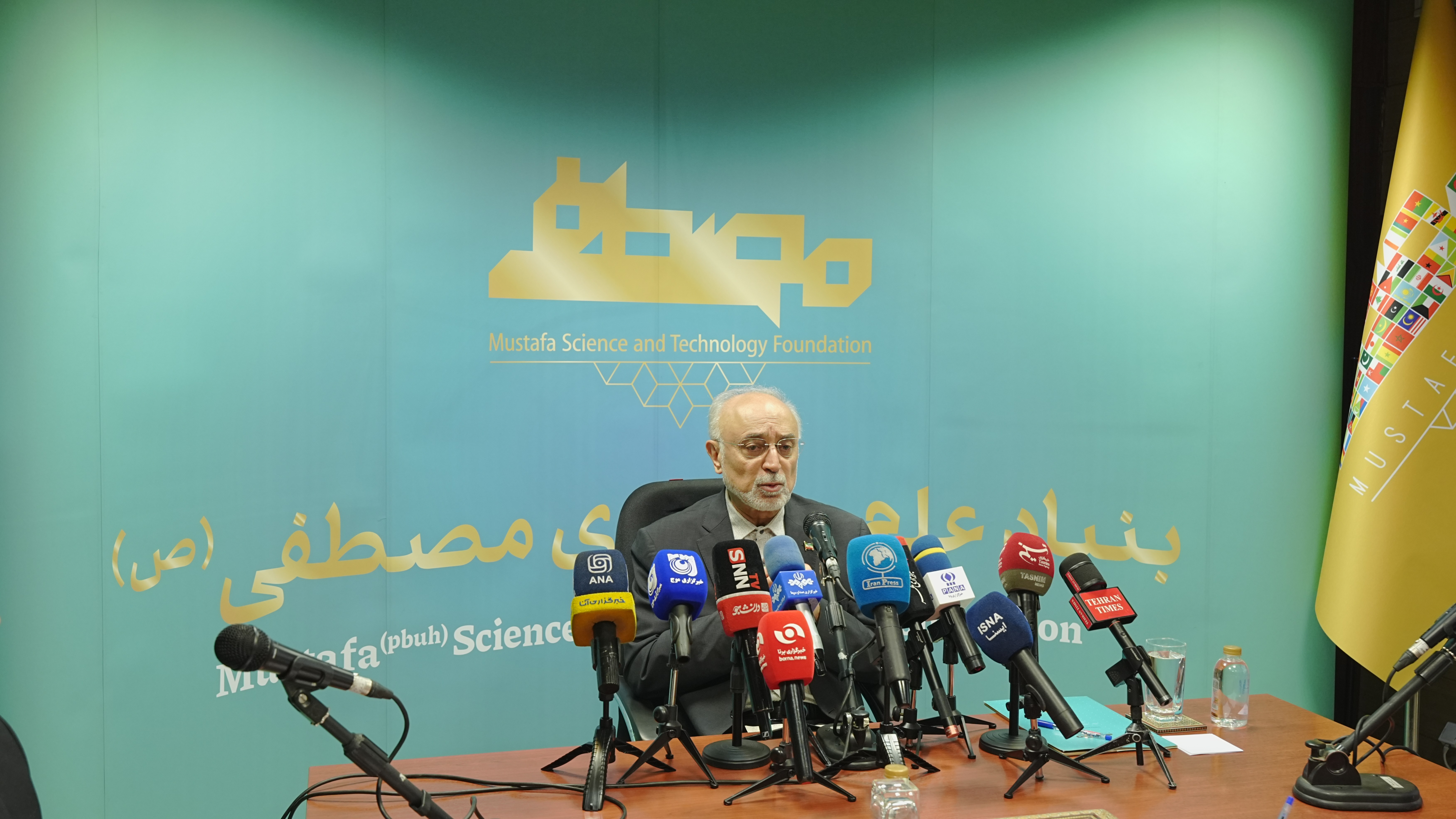
Iran Calls for Global Network of Science Patrons Alongside Scientists’ Network
STEP-AUT Office to Connect Scientists and Universities Across the Islamic World
‘The Messenger Within’: How mRNA Became a Pandemic Game-Changer