Scientist Tackles Drug Resistance in Cancer Treatment
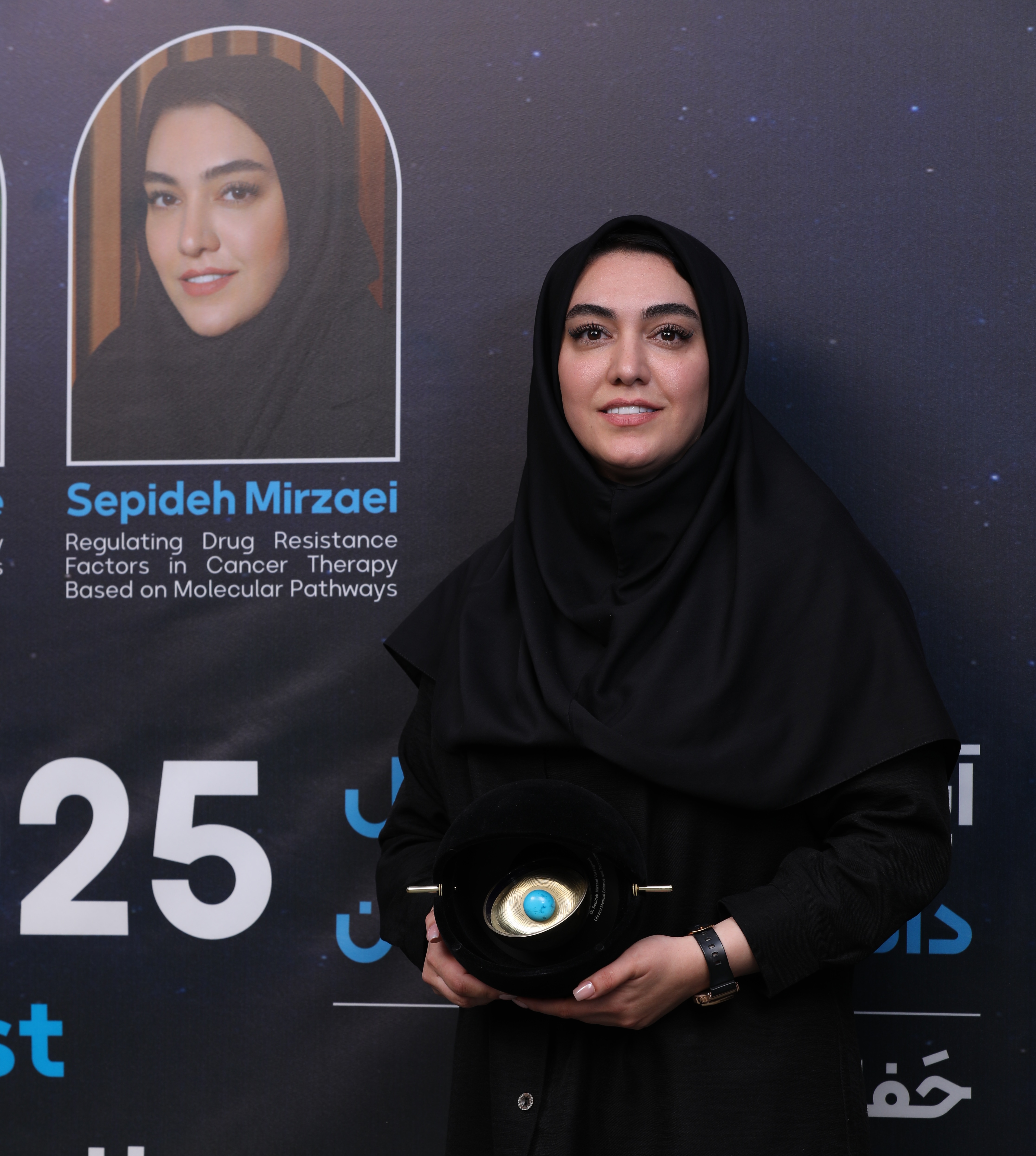
An Iranian scientist rose to the challenge of drug resistance in the treatment of cancer, reviving the sensitivity of cancer cells.
MSTF Media reports:
Sepideh Mirzaei, Professor of Biology at the faculty of Converging Sciences and Technology, Islamic Azad University, and one of the three Young Scientist Medal winners in 2025, in an interview elaborated on her research area and what really matters right now in cancer research.
“My love for biology started when I was in high school and back then, my goal was to study biology at university. I chose to work on cancer research during my BSc, MSc and Doctorate. Currently, I am working on cancer biology,” Mirzaei stated.
The biologist maintained that the critical need for novel therapeutic approaches to cancer is the reason why she chose this area.
“A big challenge in treating cancer is resistance to treatment which is caused by signal paths and other factors within the cell. Such resistance decreases the cancer cells’ sensitiveness to conventional medicine, rendering the whole treatment ineffective,” Mirzaei added. “My research focuses on identifying molecule paths that cause such resistance.”
Mirzaei’s groundbreaking work on regulating drug resistance factors in cancer therapy based on molecular pathways earned her the Young Scientist Medal in 2025.
Asked about the particulars of her research, Mirzaei maintained that their team focuses on common cancers, including prostate cancer, breast cancer, and gastric cancer.
“Signaling paths can be activated in various types of cancer. Today, regulating these pathways, personalizing cancer treatment, and making them targeted is of high importance,” she added.
Elaborating on her research, Mirzaei stated that it involves identifying factors in the cell that lead to drug resistance, regulating paths within cells, bringing back sensitivity to cancer cell, and improving the efficiency of treatment.
“Simply put, just as the body can become resistant against antibiotics, so can cancer cells lose their sensitiveness to treatment. First, the factors leading to such resistance need to be identified, and, then, the molecule paths must be stopped, leading to significant improvements in cancer patients’ lives,” she elaborated.
Regarding the trials and tribulations in her research, the biologist stated, “This career is replete with challenges, most of which concern lack of equipment and sufficient data banks. Also, the sanctions imposed on our country have caused an array of other challenges in research, in general, and cancer studies in particular.”
“Our international collaborations, however, have paved the pave for publishing in journals around the world. This indicates out innovation and high standing in the world’s scientific community,” Mirzaei declared.
Mirzaei added that science is not to be limited to writing books and articles. Rather it shall have tangible impact on people’s lives. “Our study is in the pre-clinical stage but we seek to bridge basic sciences and clinical applications and put our research findings into practice,” she concluded.
“My long-term, personal goal is to design specialized platforms in the future, platforms that can recognize the aforementioned factors leading to resistance in a targeted way, and lower resistance, thus realizing the dream of treating cancer,” she said.
This future, according to Mirzaei, entails stepping out of mere research and inventing smart, personalized, and hybrid approaches to treating cancer.
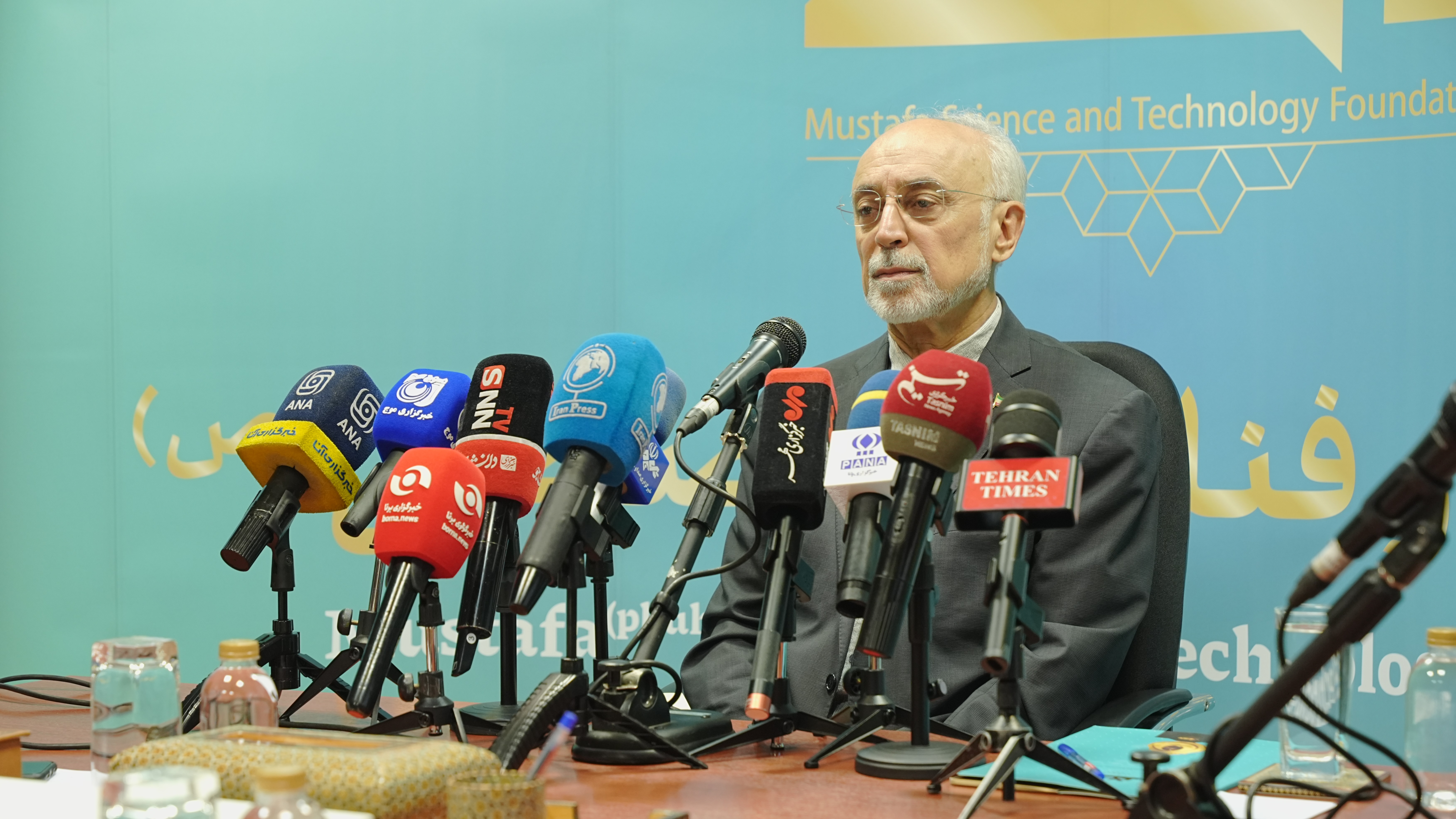
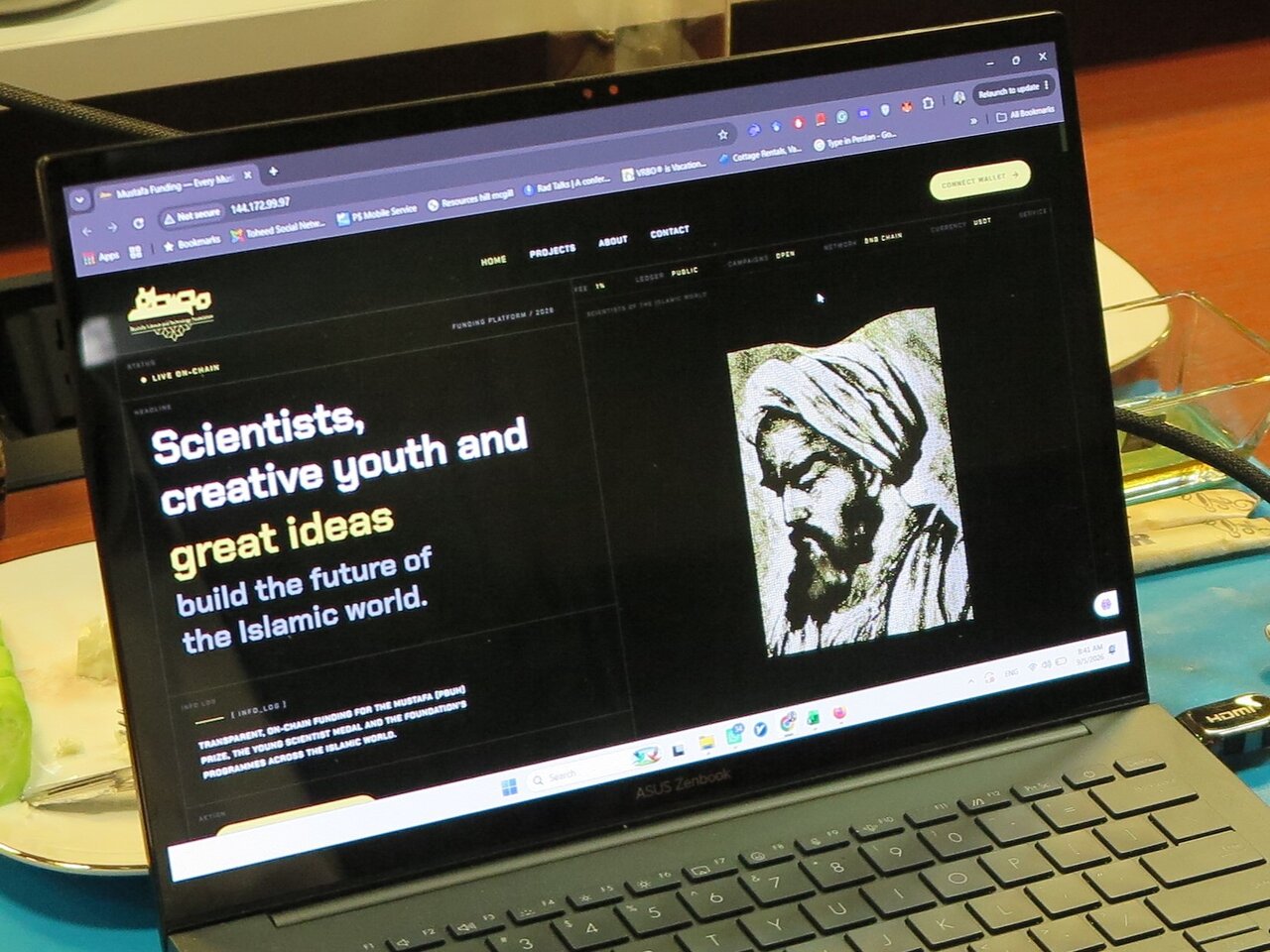
Mustafa Foundation launches blockchain platform for global scientific support
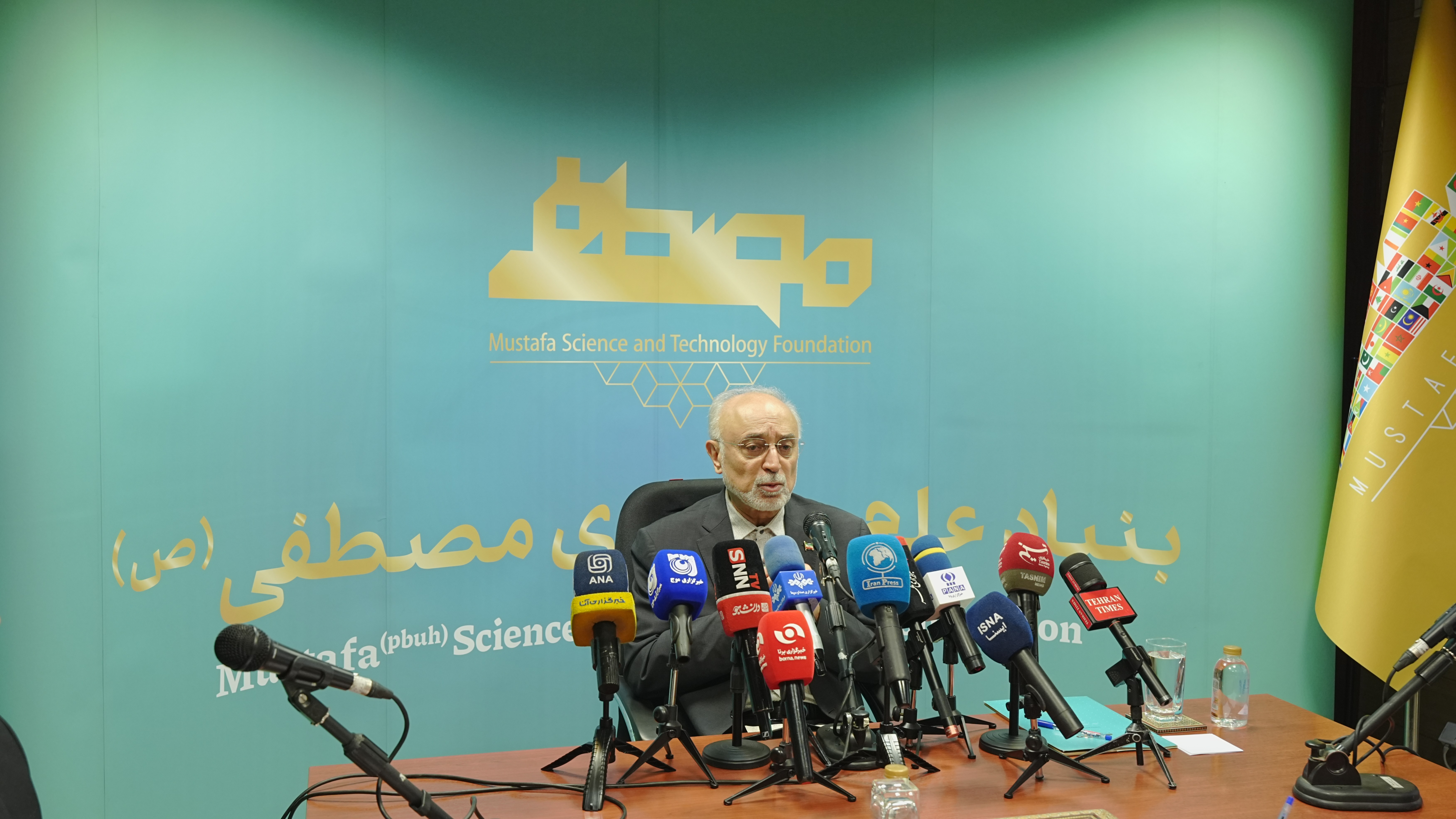
Iran Calls for Global Network of Science Patrons Alongside Scientists’ Network
STEP-AUT Office to Connect Scientists and Universities Across the Islamic World
‘The Messenger Within’: How mRNA Became a Pandemic Game-Changer