How Hashing Transformed Artificial Intelligence
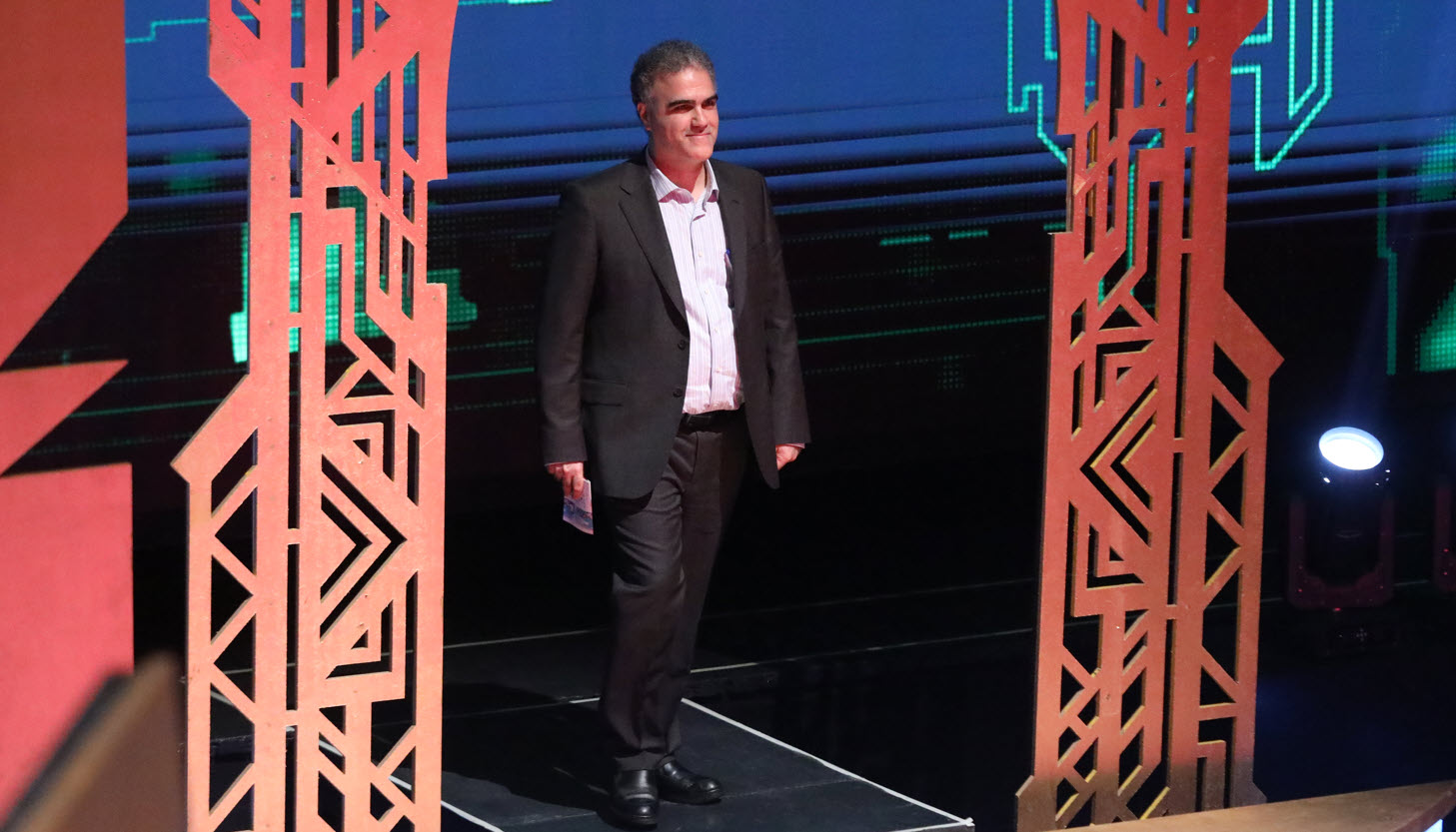
Prof. Vahab Mirrokni, a leading computer scientist and the 2025 Mustafa(pbuh) Prize laureate, spoke about major recent advancements in data-search technology in an interview; technologies that help computers find similar information faster and more efficiently than ever before.
MSTF Media reports:
Mirrokni believes that today’s massive datasets cannot be handled using old methods such as MinHash and k-d trees. “As the volume of data grows, these traditional techniques become too slow for real-world use,” he said. Many of them also work only with limited types of comparisons, reducing their flexibility in modern applications.
According to him, new algorithms based on Locality-Sensitive Hashing (LSH) have changed this situation dramatically. These methods allow systems to search through huge amounts of data in a fraction of the time previously required, while still maintaining high accuracy. This technology is especially important for applications that compare images, videos, documents, and user preferences.
Mirrokni noted that careful design of the algorithm, including how data are grouped and compared, makes it possible to balance speed, accuracy, and memory use. By tuning key settings, researchers can adapt the method to serve different needs, from lightning-fast online searches to large-scale offline analysis.
He highlighted the wide range of real-world uses for this technology, including search engines, recommendation systems, video platforms, and bioinformatics research, where it helps identify similar web pages, suggest relevant content, match related videos, and even compare genetic data.
While certain techniques used to compress data may slightly affect accuracy, Mirrokni said scientists are developing improved combined approaches to reduce these effects. He also explained that although current systems mostly rely on traditional computer processors (CPUs), researchers are exploring the potential of more powerful hardware such as GPUs and TPUs to further enhance performance.
Comparing LSH to newer and more complex methods, Mirrokni emphasized that its greatest strength is its simplicity and adaptability, especially for systems that must handle constantly changing or real-time data.
He concluded by stating that the combination of strong scientific theory and practical real-world usefulness has made LSH technology a core tool in modern data search, helping shape the future of how large information systems operate.
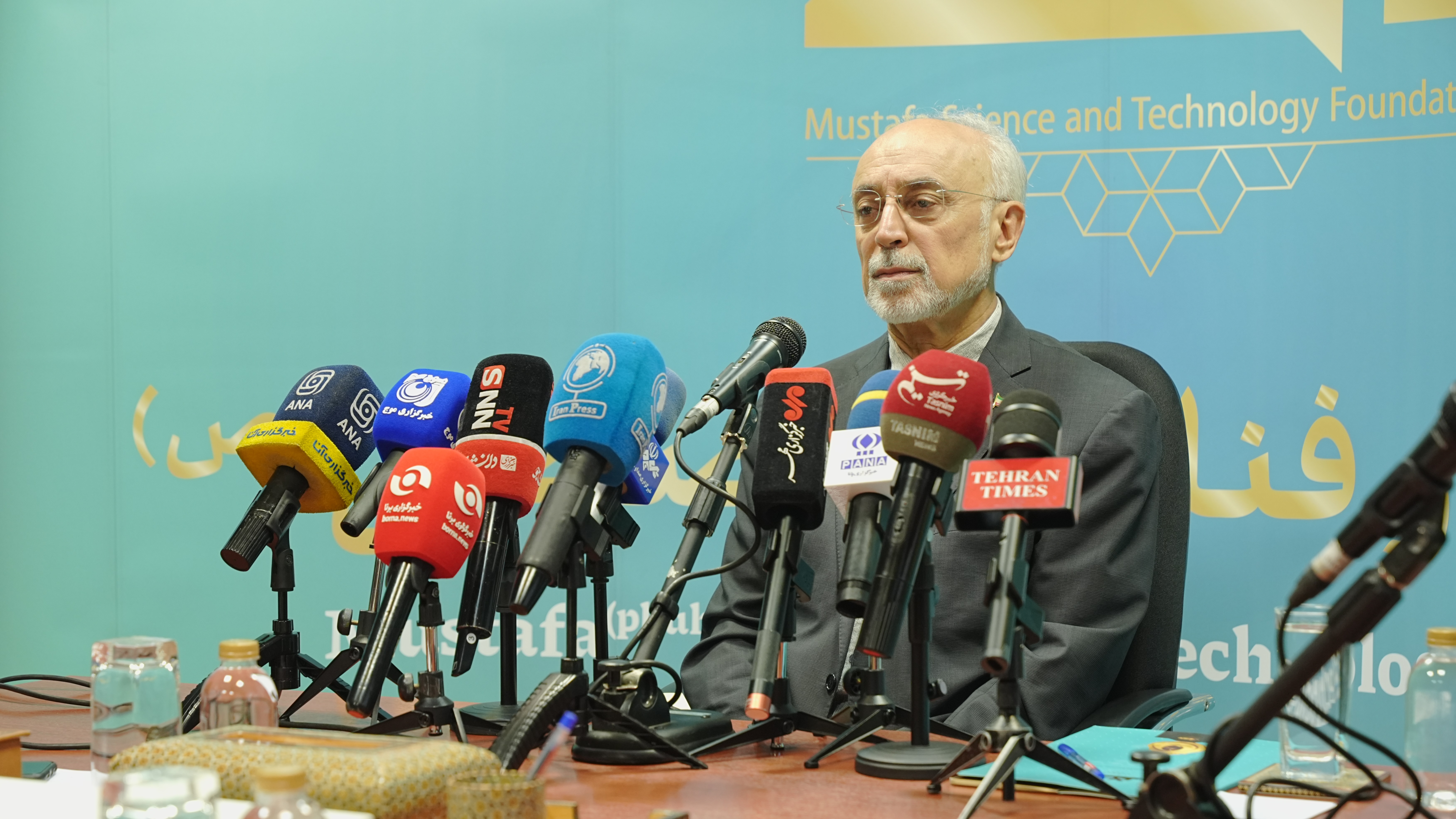

Mustafa Foundation launches blockchain platform for global scientific support
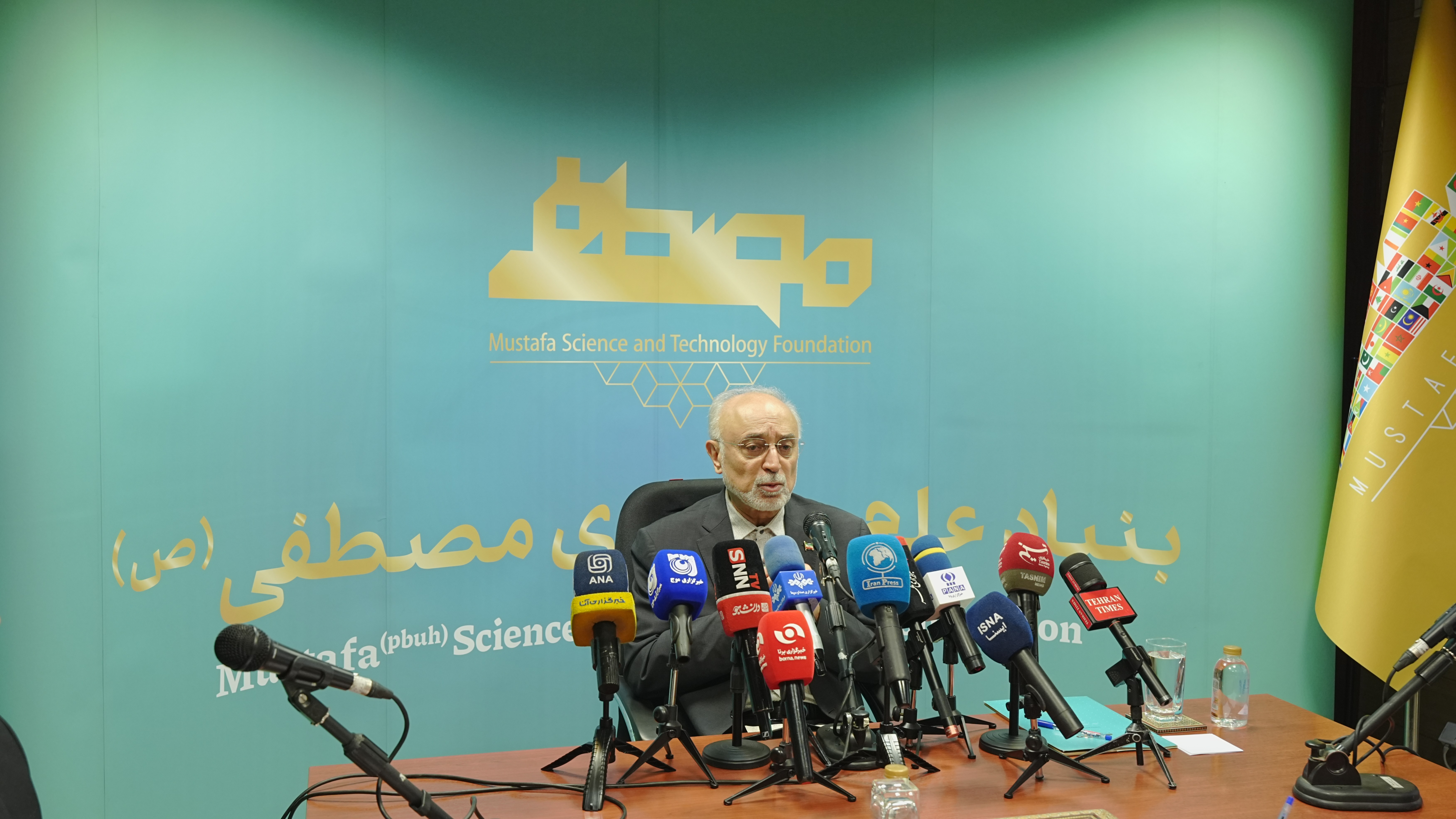
Iran Calls for Global Network of Science Patrons Alongside Scientists’ Network
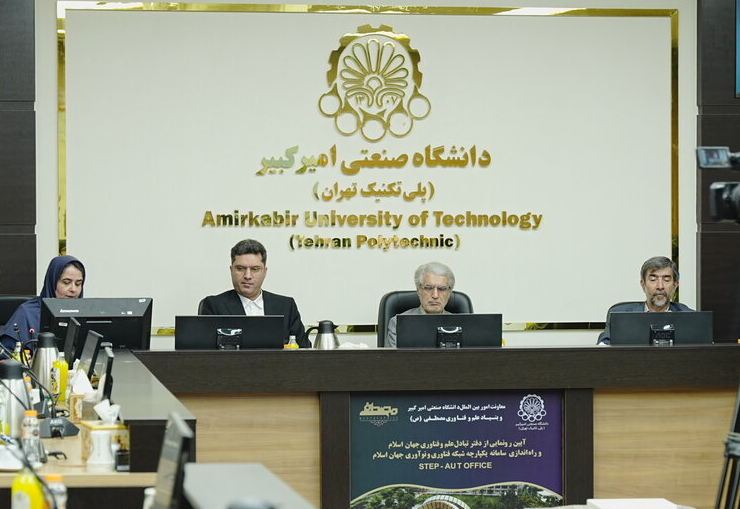
STEP-AUT Office to Connect Scientists and Universities Across the Islamic World

‘The Messenger Within’: How mRNA Became a Pandemic Game-Changer