Muslim Scientist Offers Viable Approach to Revolutionize Telecommunications

Sulaiman Wadi Harun, Professor of Electrical Engineering and a guest at the 2025 Mustafa(pbuh) Prize Week, talked about his brilliant approach to lowering costs in industry.
MSTF Media reports:
New horizons to technological innovations are opening up to researchers from the Islamic world as they engage in fruitful scientific exchange facilitated through events such as the Mustafa(pbuh) Prize. One of the programs held by the Mustafa(pbuh) Science and Technology Foundation, with the specific goal of the circulation of knowledge among Muslim scientists, is the Science and Technology Exchange Program (STEP).
The 10th STEP, held in the 2025 Mustafa(pbuh) Prize Week, brought together prominent international scientists with extraordinary achievements, among whom was Sulaiman Wadi Harun. Professor of Electrical Engineering at the University of Malaya, Harun’s presence brought about a chance to discuss inexpensive approaches to developing telecommunication infrastructures.
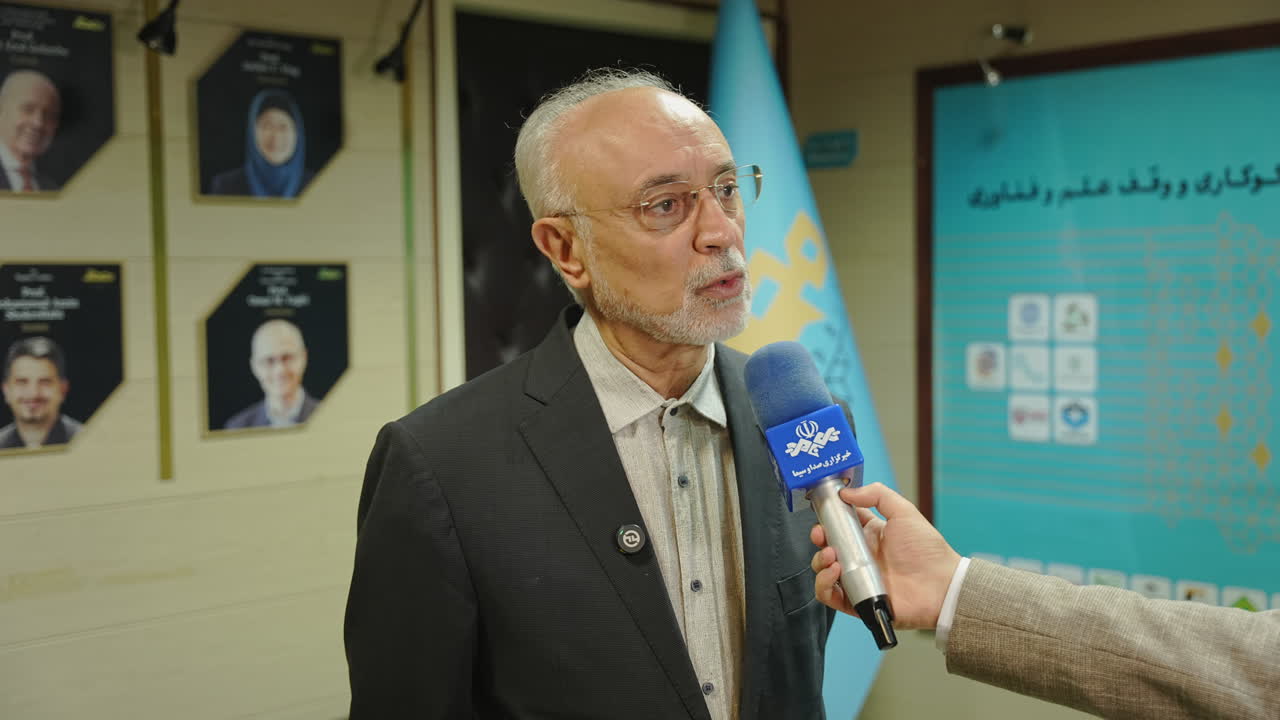
In an interview, Harun pointed out the vital role of fast laser pulses with high repetition rates in telecommunications and data transmission:
“To produce this type of pulse, materials are usually required that have ‘saturable absorption,’ a property that allows the material to absorb the light wave to a certain point and then allow the pulse to pass through after the wave intensity exceeds that limit,” Harun stated. “The process allows the wave to be created in a pulsed form in a laser.”
His research team has, for the first time, used a type of polymer called PAN (polyacrylonitrile) to generate laser pulses in a fiber laser.
“The primary factor behind choosing this material was that in addition to its excellent saturable absorption properties, it is both low-cost and very easy to make,” Harun noted. “In fact, PAN both fulfills the goal of loss-modulation in the laser cavity and greatly reduces production costs.”
Harun referred to the small scale at which he and his team had to carry out the research:
“The material must be placed inside the laser cavity. Given that the laser cavity uses a single-mode fiber with a tiny core diameter of 9 microns, we had to use materials with very small dimensions,” he maintained. “Our team used special adhesive tape to place the material between the laser cavity junctions, so that light could interact directly with this material inside the cavity.”
Touching upon pulse generation methods, Harun named the two general methods for generating laser pulses: the Q-switching technique and the Mode-locking technique. In the former, Harun says, “pulses are generated at a kilohertz repetition rate, but if we want to achieve a higher repetition rate at megahertz and duration of picoseconds or femtoseconds, we must use the latter. We actually use a saturable absorber to phase-lock the longitudinal modes oscillating in the laser cavity.”
Referring to the common scientific challenges in developing countries, Harun stated, “As developing countries, we are faced with limited research budgets. Our situation in Malaysia is similar to that of researchers in Iran, and for this reason we must seek creative and low-cost solutions to solve complex scientific problems.’
He also highlighted the future of communications technology: “Despite common belief that this is an overresearched field, the demand for telecommunications capacity doubles every two years according to Moore's Law,” he stated. “The available bandwidth is limited, and as engineers, we have a responsibility to increase the speed of data transfer.”
Harun added that, to this end, today, the move towards the use of Few Mode Fibers has begun, so that instead of a single mode, several modes can be used to significantly increase the capacity of telecommunications systems.
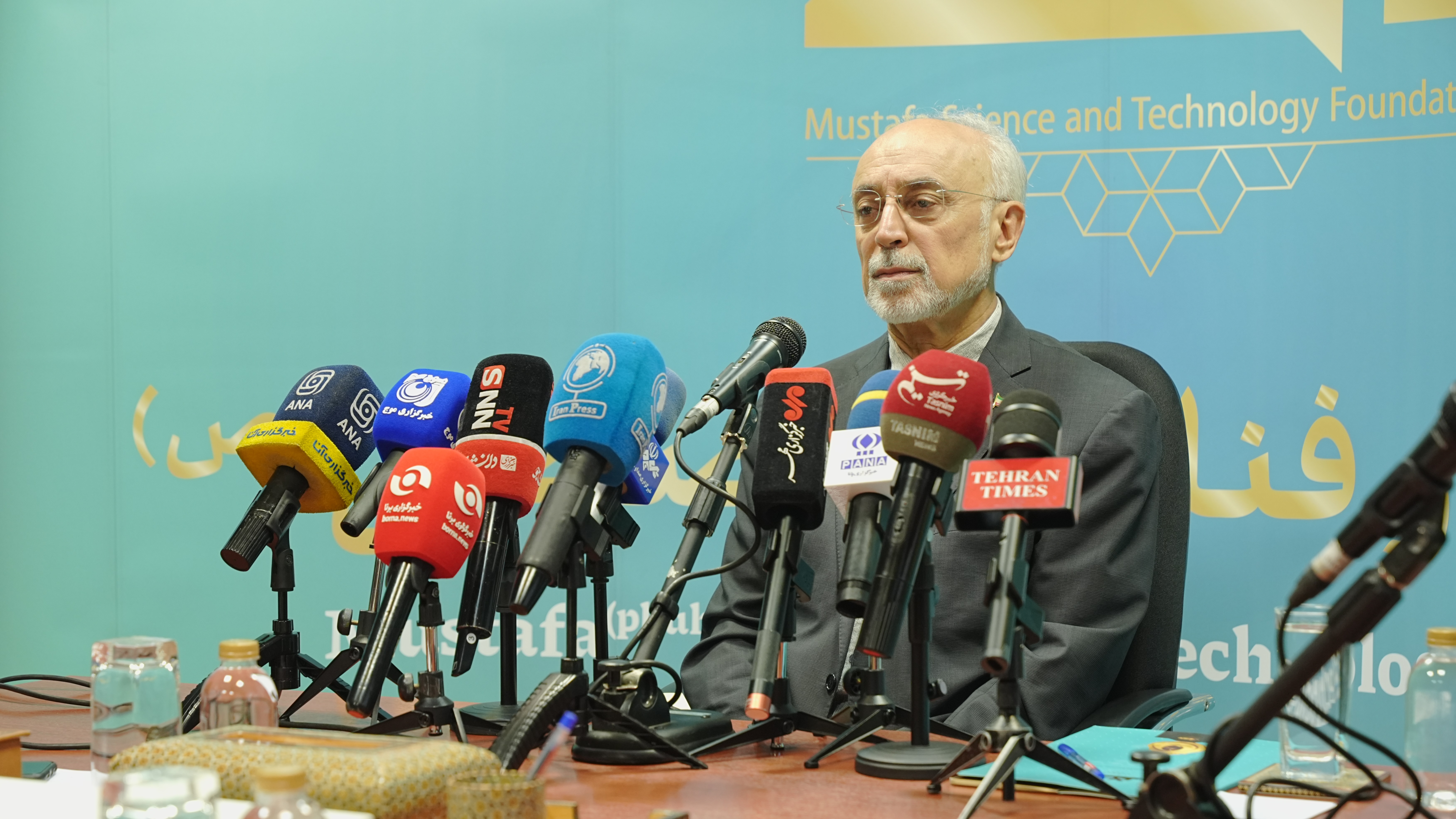
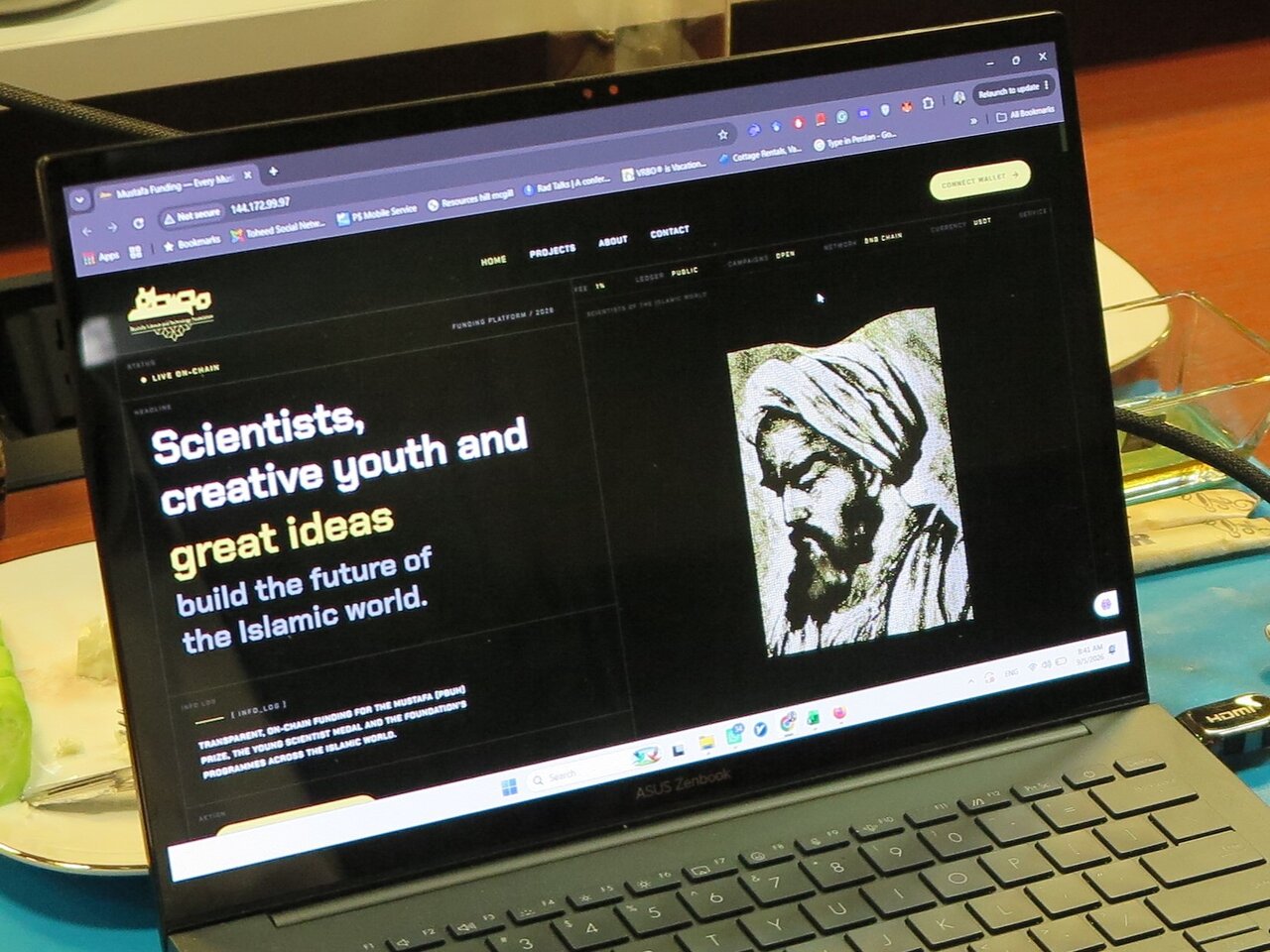
Mustafa Foundation launches blockchain platform for global scientific support
Iran Calls for Global Network of Science Patrons Alongside Scientists’ Network
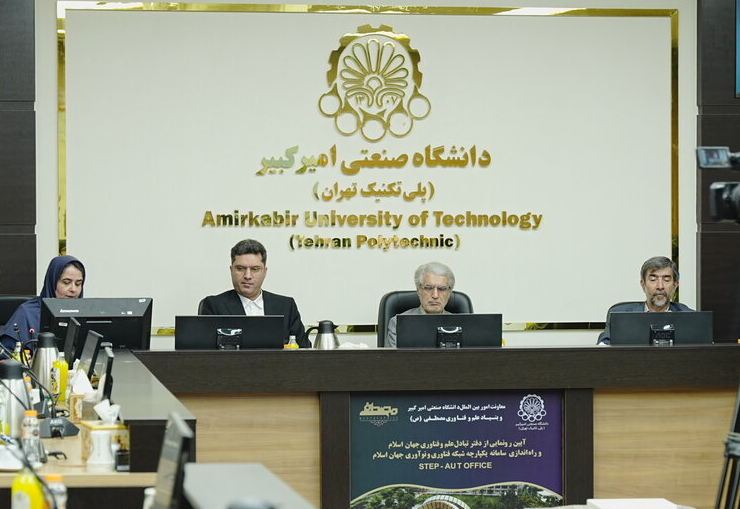
STEP-AUT Office to Connect Scientists and Universities Across the Islamic World
‘The Messenger Within’: How mRNA Became a Pandemic Game-Changer